
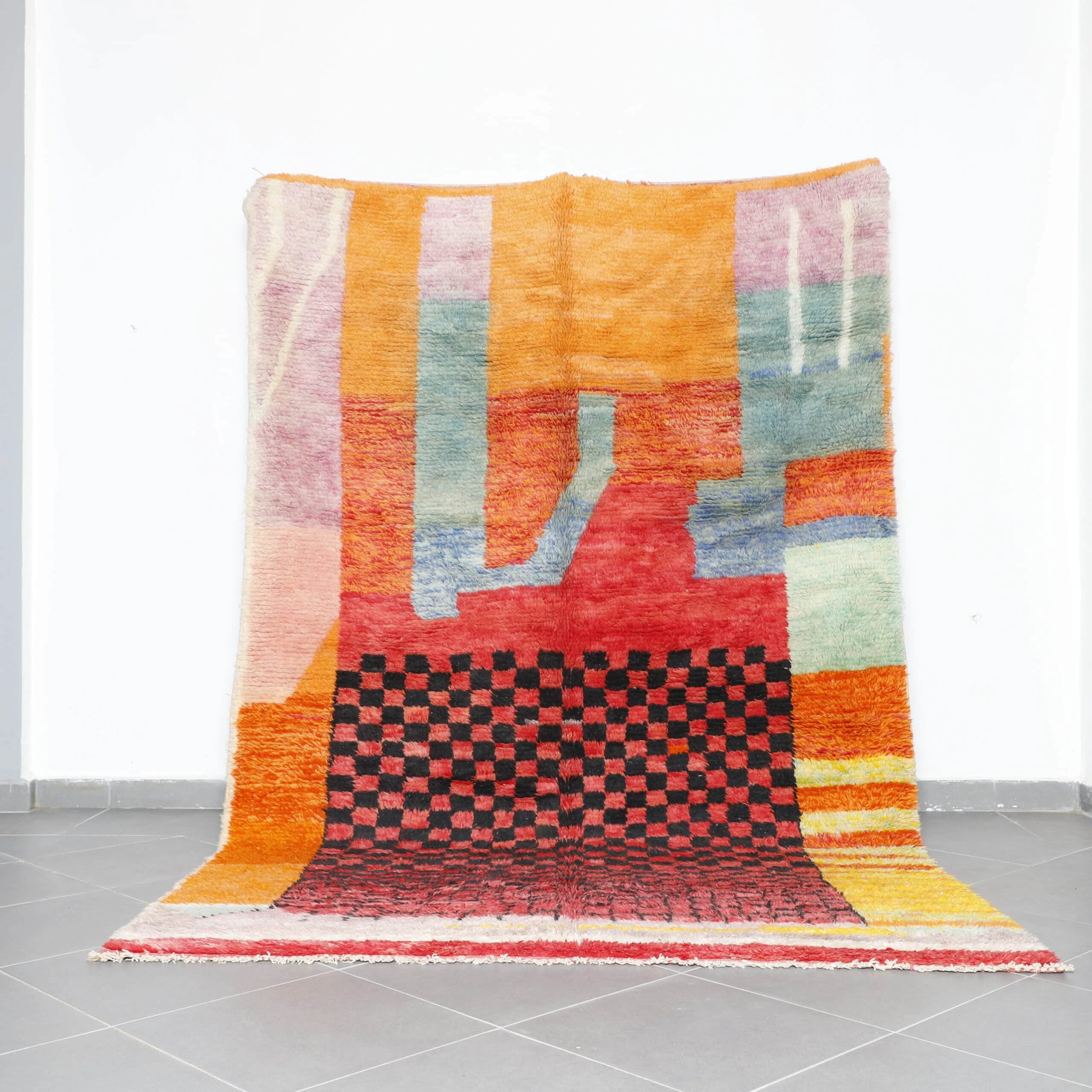
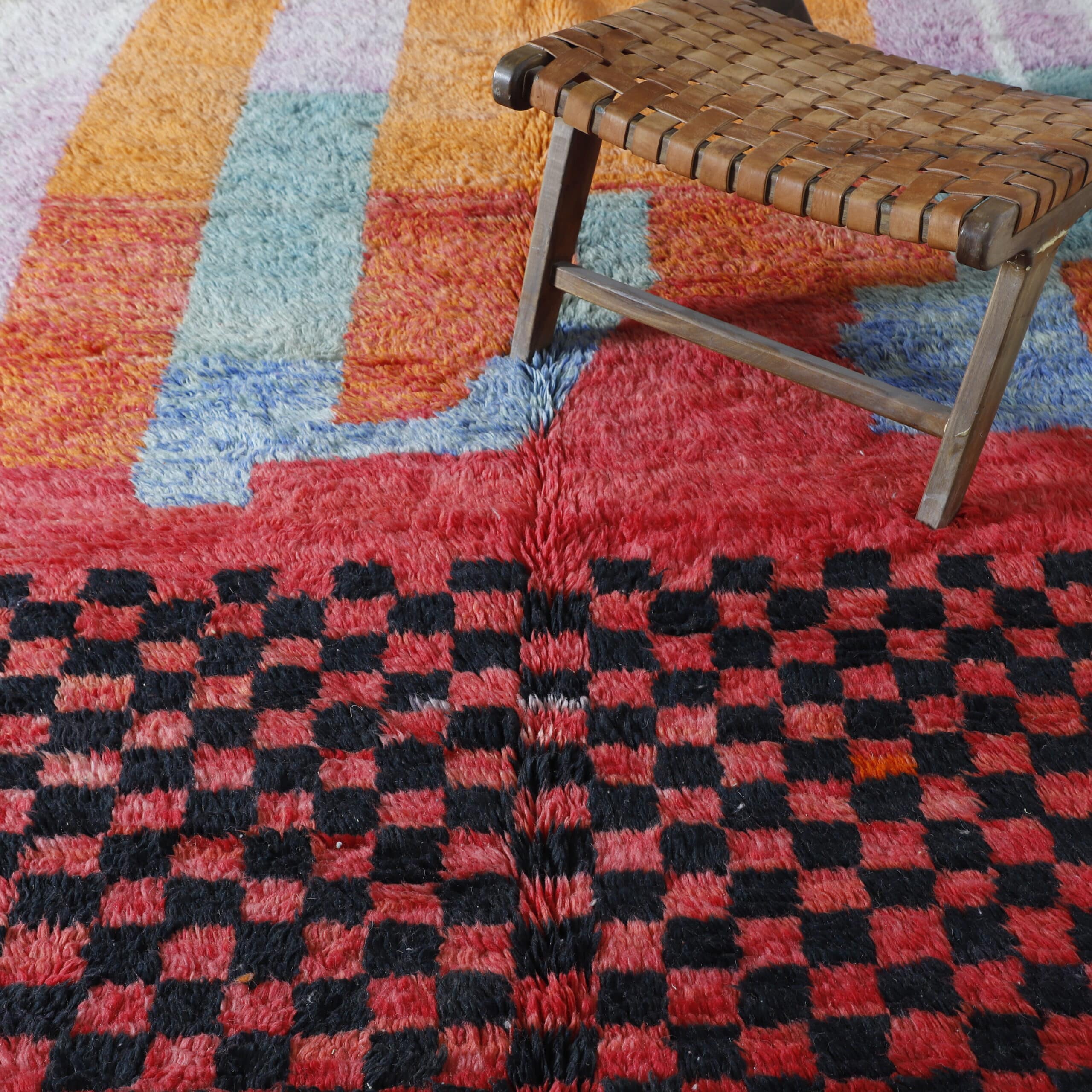
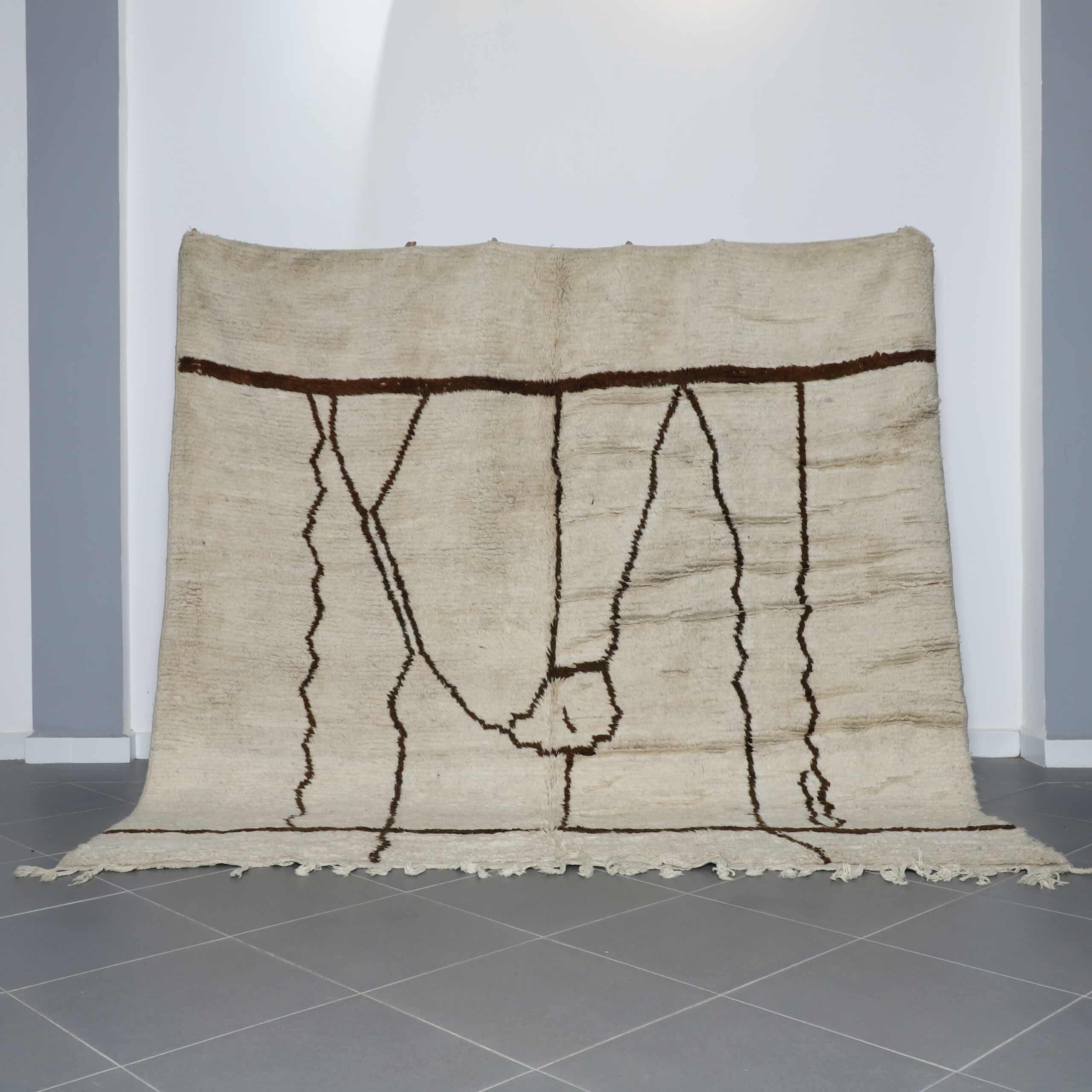
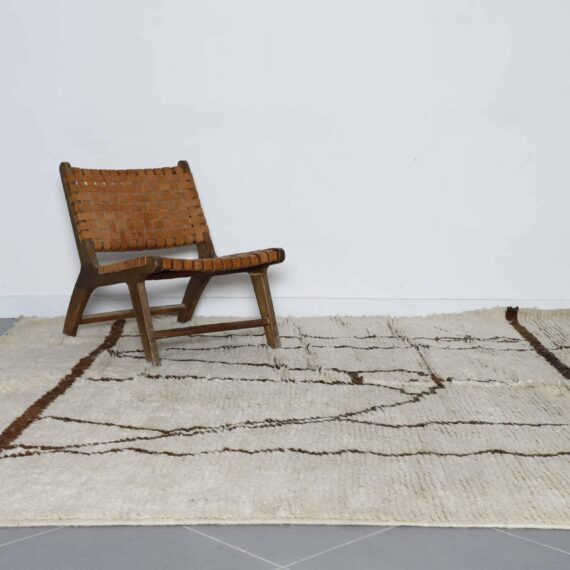
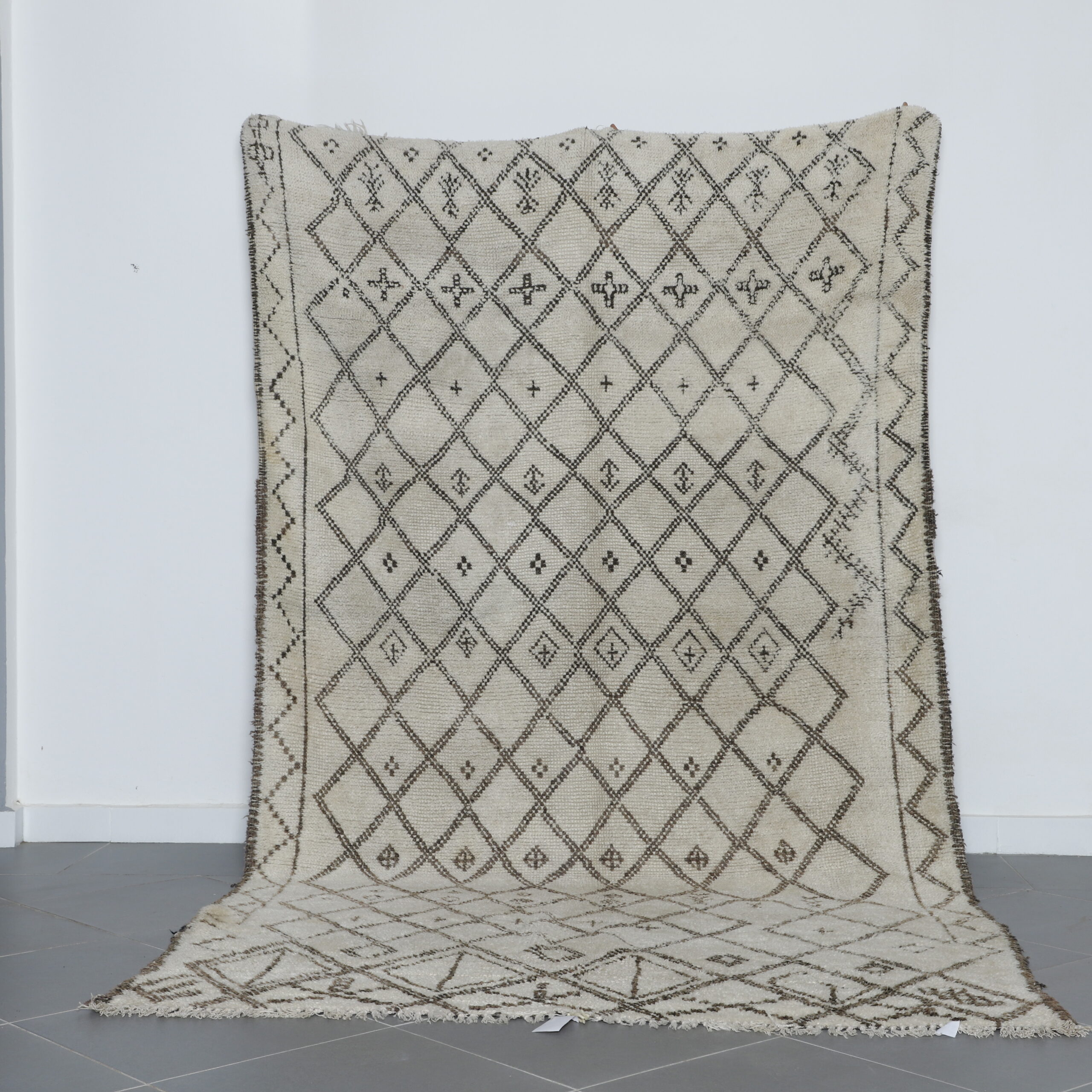
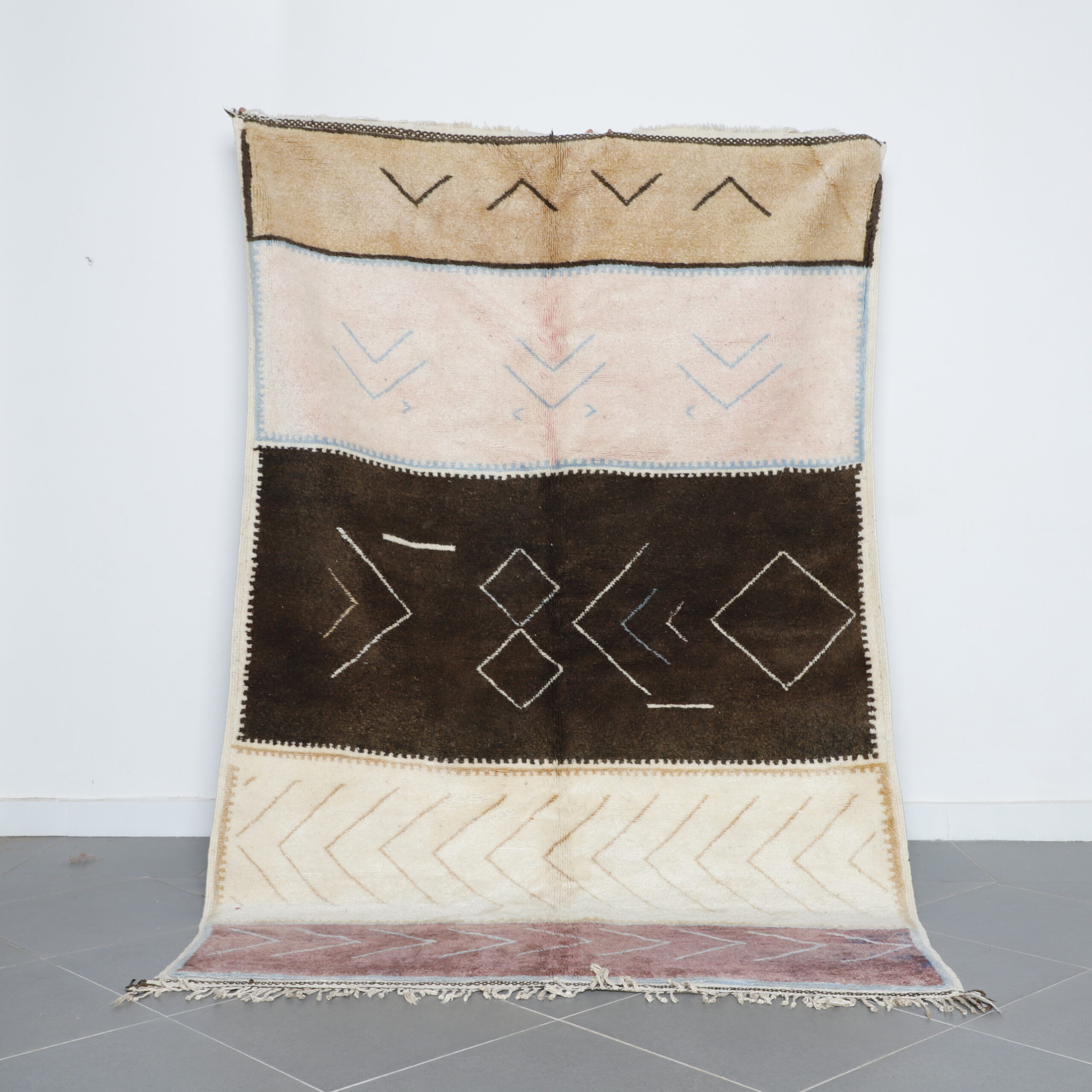
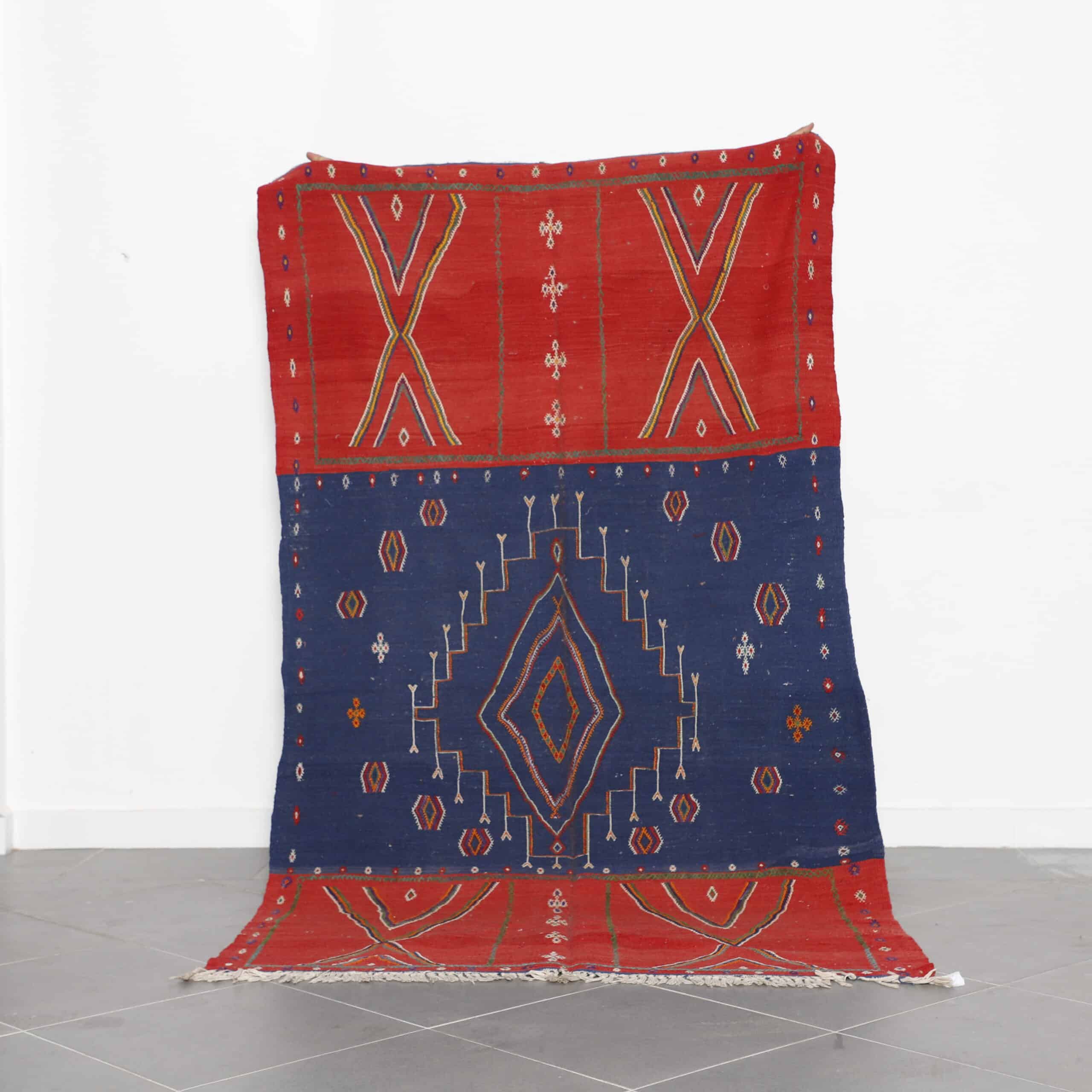
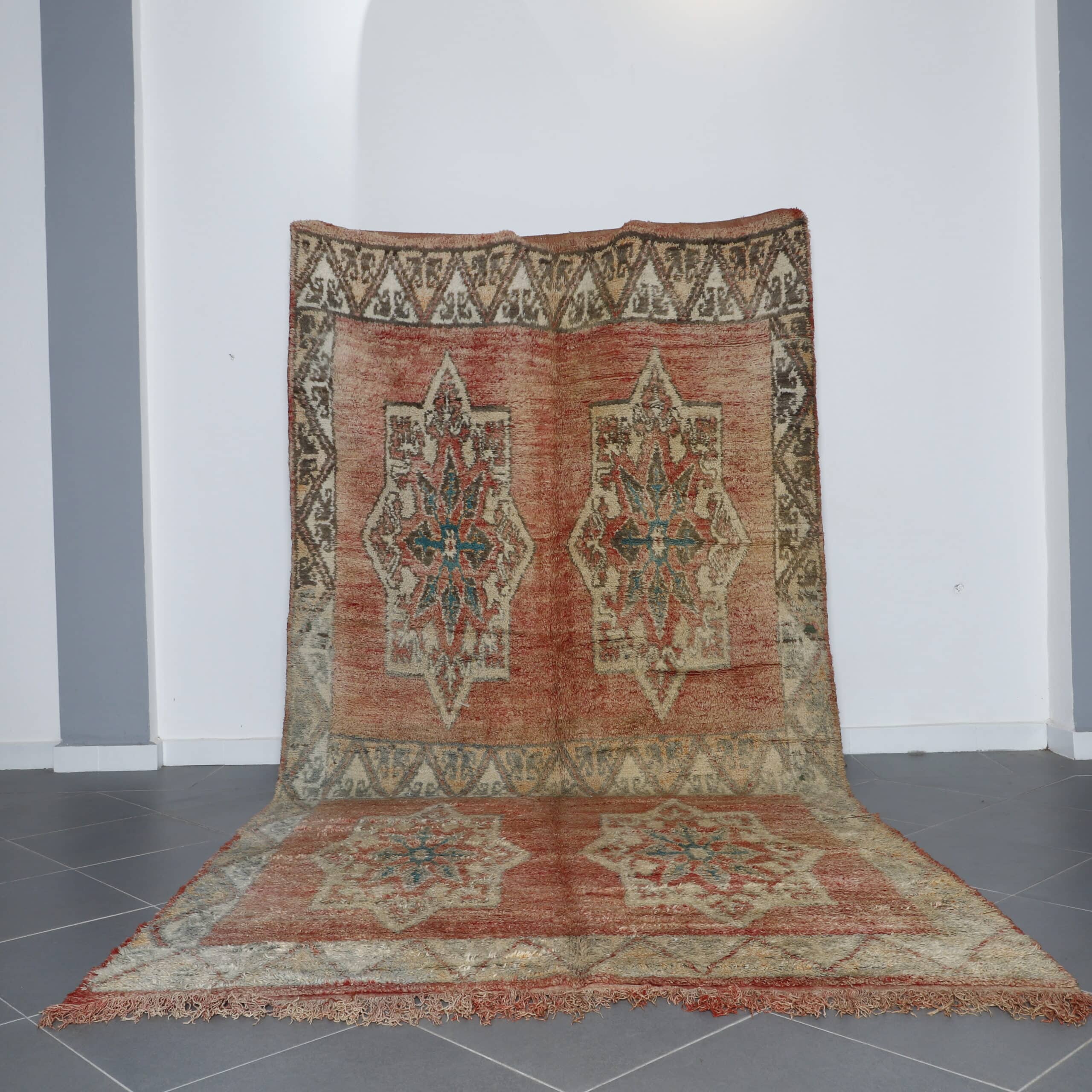
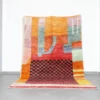
This Boujaad Carpet measures 10.3×6.6 Ft (315×200 cm) — the widest format in the Boujaad lineup and a statement piece built for large, open living spaces. At over 10 feet long, it covers a full seating arrangement with room to spare, anchoring the layout the way only a genuinely oversized rug can.
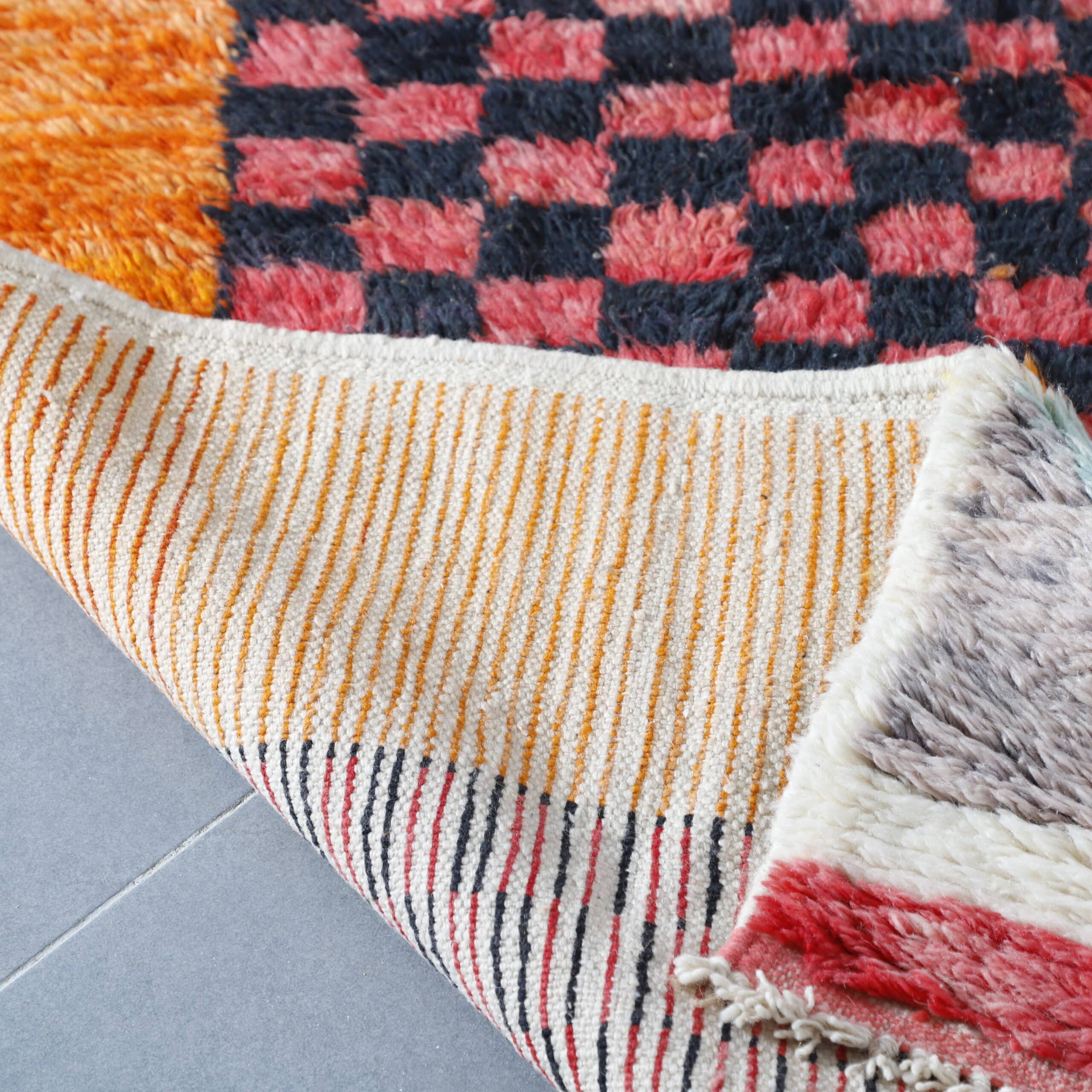
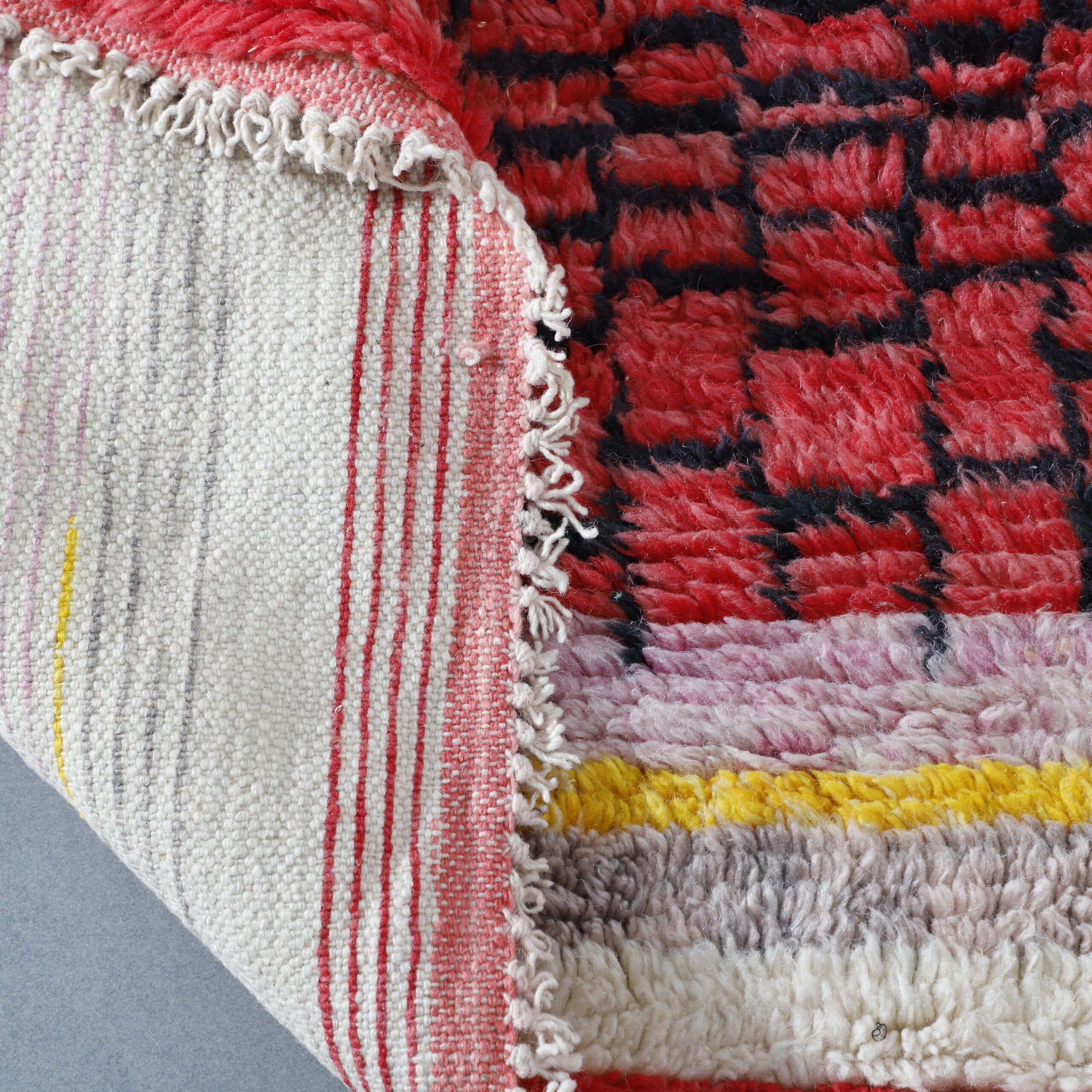
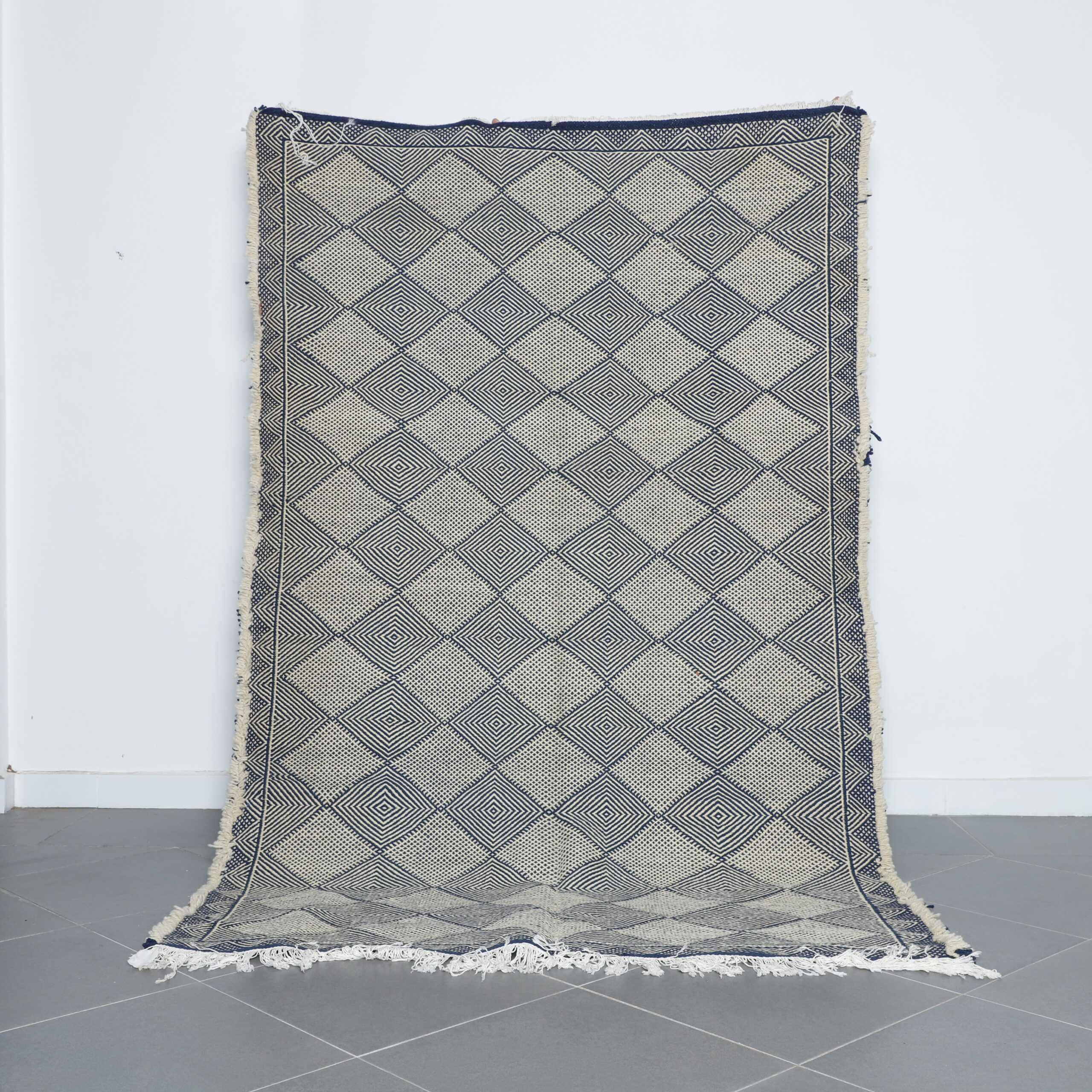
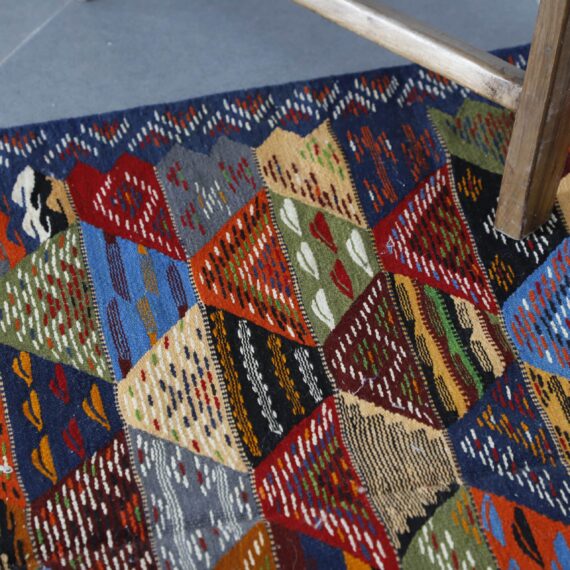
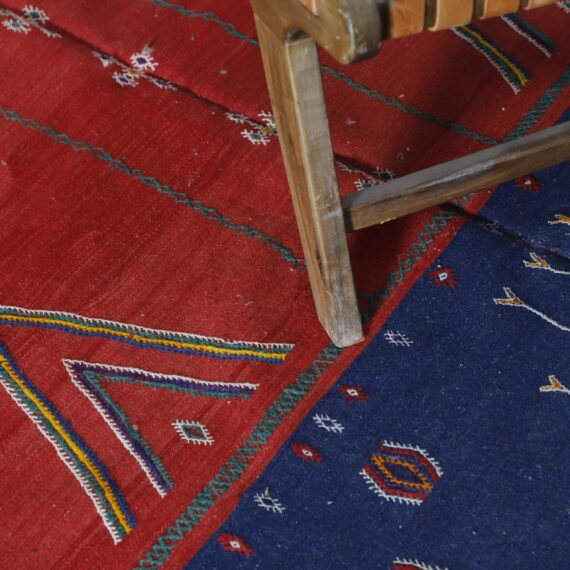
Berber artisans in Morocco’s Haouz region handwove this carpet entirely from natural wool. The dyeing and knotting process follows traditional Amazigh methods passed down through generations of weavers on the Haouz plateau. Intricate tribal motifs spread across the surface — geometric forms, abstract linework, and symbolic patterns that carry cultural meaning specific to the Boujaad weaving tradition. Every knot in the pile was tied by hand.
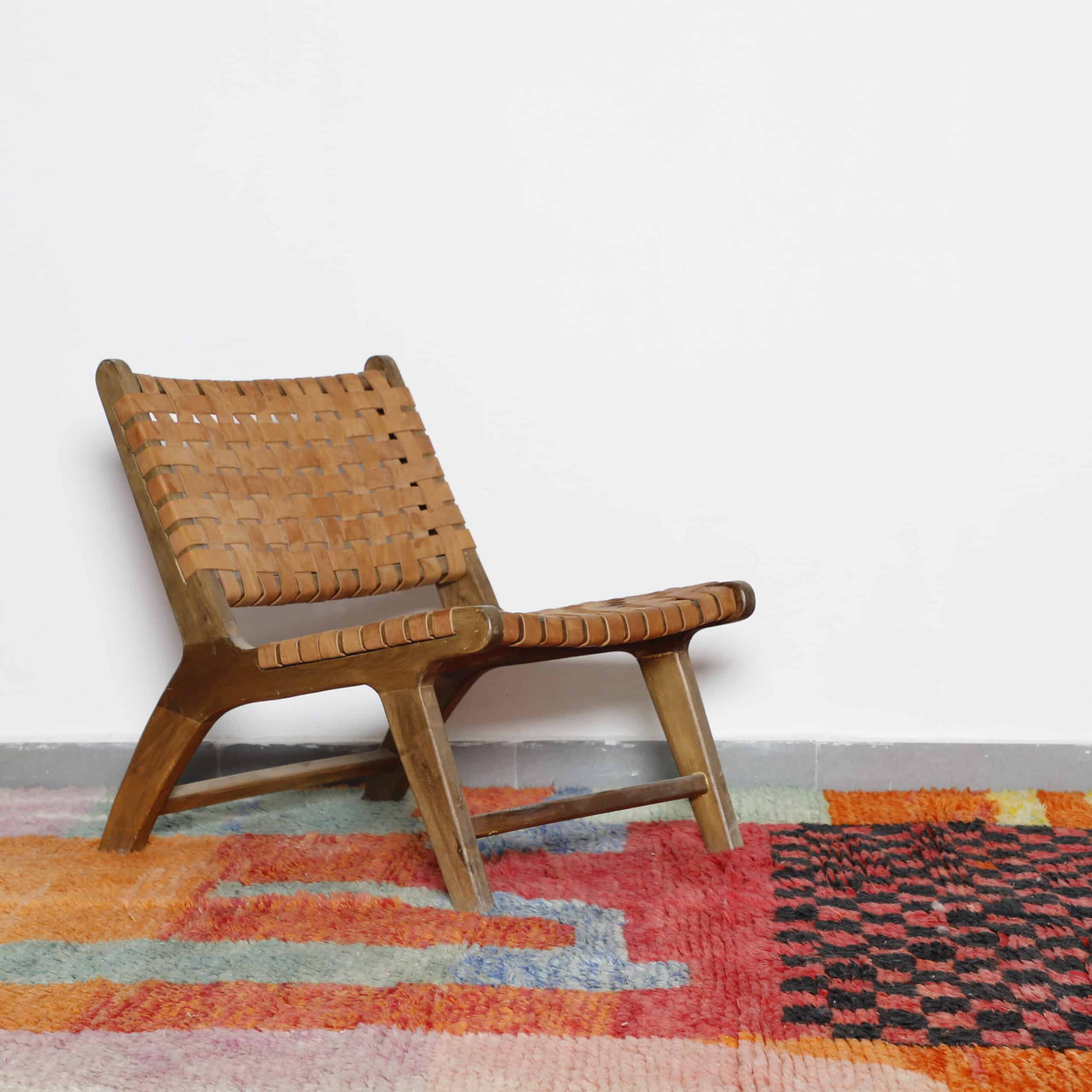
The 6.6 Ft width places this rug in a different category from the narrower Boujaad pieces in the catalog. A standard sofa grouping — two sofas, armchairs, and a coffee table — sits comfortably within the borders without any piece hanging off the edge. The additional width also works well in wide dining rooms, where rectangular rugs often fall short on the sides.
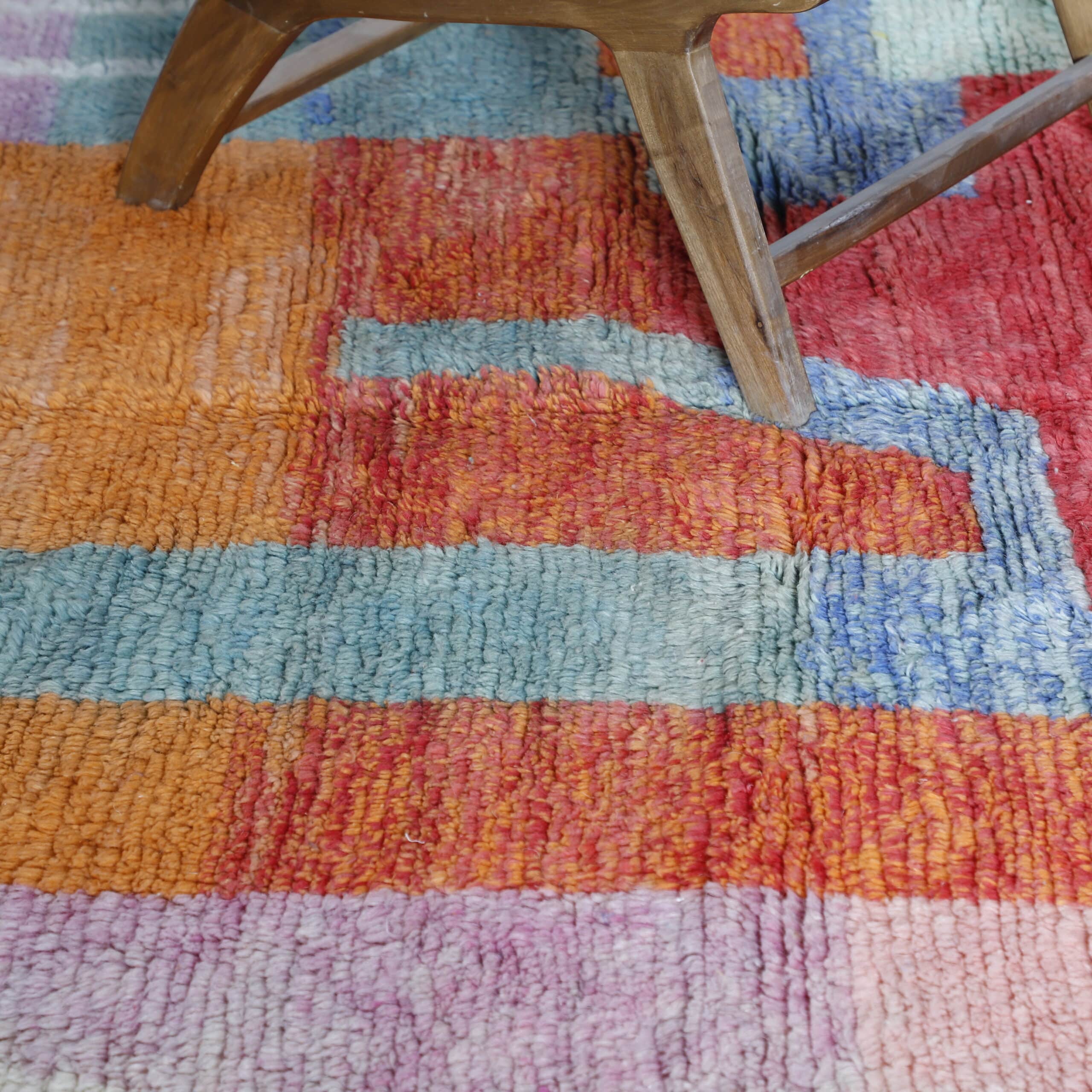
Heritage-style interiors benefit most from a carpet at this scale. The warm, naturally dyed Haouz palette — muted earths, faded ochres, and deep reds — reads differently in a large format than it does in a smaller accent rug. The pattern density across 10 feet of surface creates visual depth that draws the room together rather than simply filling floor space.
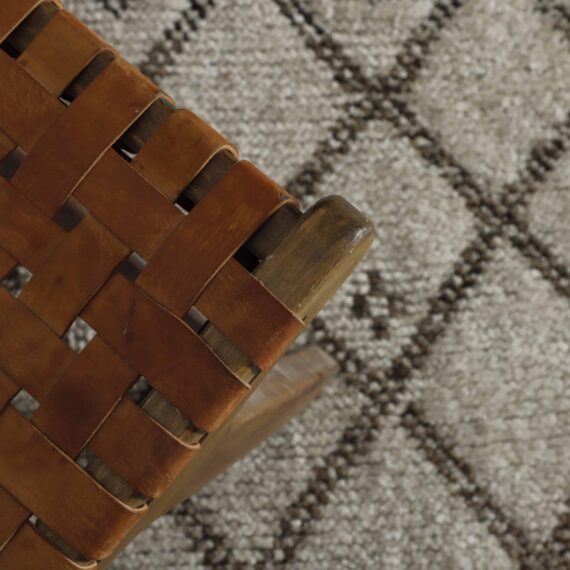
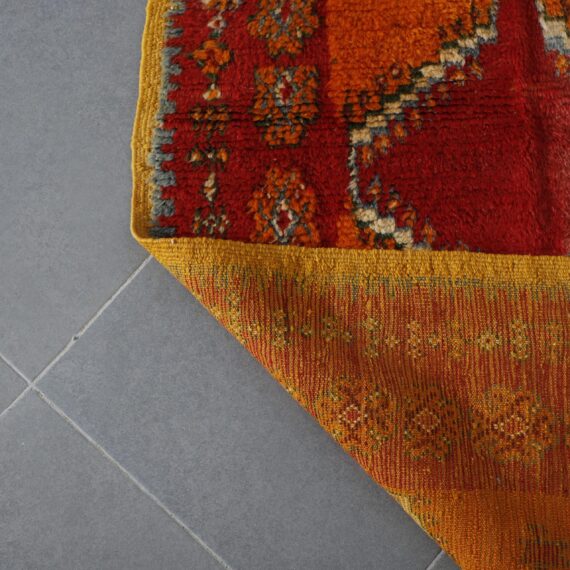
Natural wool at this pile thickness provides real warmth underfoot and holds up to regular foot traffic without flattening over time.
Both Musmus Rugs and Moroccan Rug Area source from trusted Berber weaving families, ensuring consistent craft quality and genuine provenance with every piece.
Follow us on Facebook for new arrivals and styling inspiration.
Key Features
- Size: 10.3×6.6 Ft / 315×200 cm — oversized format that anchors large living rooms, open-plan spaces, and wide dining areas
- Material: 100% natural wool, hand-spun and naturally dyed using traditional Haouz-region Berber techniques
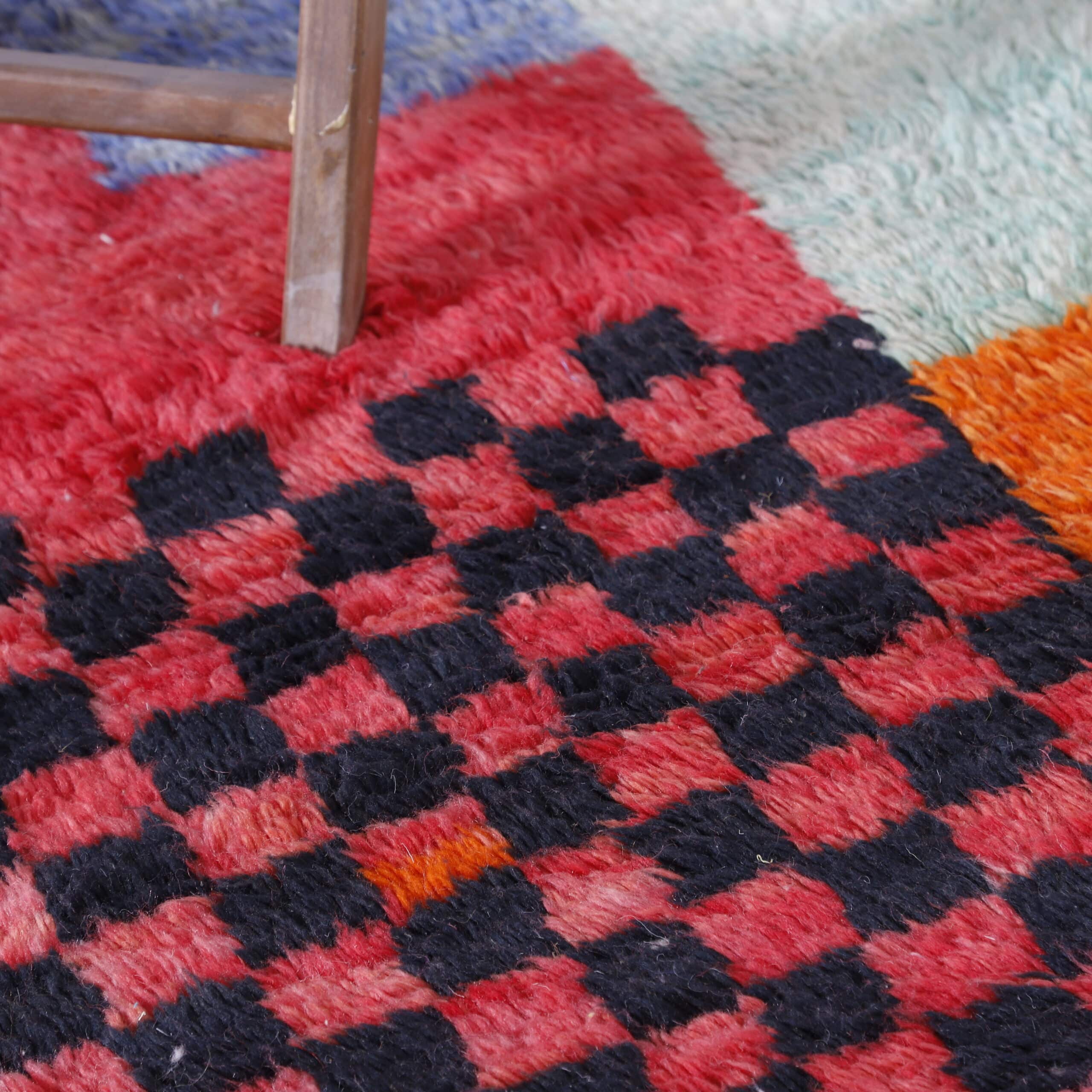
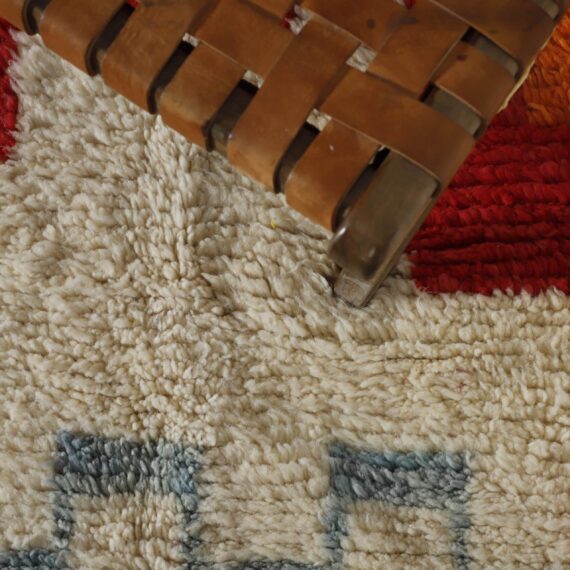
- Weave Type: Hand-knotted pile with a dense, soft wool surface built for high-traffic areas
- Design: Intricate Amazigh tribal motifs with Haouz-region geometric patterns and naturally dyed vintage tones
- Origin: Handwoven by Berber artisans in Morocco’s Haouz region using age-old weaving traditions
- Uniqueness: One-of-a-kind piece — motif placement, pile density, and color tone vary naturally across every rug
- Durability: Dense natural wool construction withstands heavy daily use while maintaining texture and character
- Shipping: Ready to ship — dispatched directly from Morocco with worldwide delivery
Why Choose This Boujaad Carpet
At 10.3×6.6 Ft, this carpet occupies a size category that most handmade Moroccan rugs never reach. Producing a Boujaad rug at this scale demands significantly more time, wool, and weaving skill than a standard 6×5 or 8×5 piece. The result is a carpet with genuine presence — not just floor coverage, but visual weight and cultural depth that change how a room feels.
The Haouz plateau Boujaad tradition produces rugs with a warmer, earthier character than the High Atlas Beni Ourain or the Middle Atlas Azilal. The color palette stays close to the natural pigments available to Haouz weavers — deep reds, warm ochres, and muted browns that age well and develop more depth over years of use. At this size, those tones spread across a surface large enough to become the defining design element in any room.
Large handmade rugs hold their value differently from machine-made alternatives. The wool construction resists the pile compression and color fading that synthetic rugs typically show within a few years. A well-maintained Boujaad carpet at this quality level remains a functional and aesthetic asset for decades.
Interior designers working on open-plan loft spaces, large family living rooms, or heritage-style reception areas consistently choose oversized Moroccan rugs over conventional area rugs precisely because the handcraft is visible at scale. Slight variations in pile height and pattern alignment confirm the handmade origin rather than signaling inconsistency.



Reviews
There are no reviews yet.