Getting Started with Rug Hooking
rug hooking patterns is a fun and creative hobby, perfect for beginners and experienced crafters alike. To begin, one needs to gather essential tools and materials. A frame, hook, backing material, and yarn or fabric strips are all vital to starting this journey.
The first step is choosing the right frame. A sturdy wooden frame ensures the backing material stays taut. This creates a smooth surface for hooking and keeps designs precise. A hook, specifically designed for rug hooking, will make the process easier. Choose from various shapes and sizes to find one that feels comfortable.
Next, select a backing material. Burlap and linen are popular choices because they are durable and easy to work with. Backing materials come with a grid-like structure, making it simple to follow patterns and create detailed designs.
Yarn or fabric strips bring color and texture to rug hooking projects. Wool is a popular choice due to its strength and versatility, but cotton or synthetic materials can also work well. Pre-cut strips save time, though cutting your own can be more economical.
Once materials are ready, it’s time to practice basic techniques. Start by threading the hook through the backing material, pulling up loops of yarn or fabric strips. Consistent loop height is key for a smooth finish. Beginners should practice on small projects or sample pieces before tackling larger designs.
Pattern selection is crucial for novices. Simple designs with large, uncomplicated shapes are ideal. Look for patterns specifically aimed at beginners to ensure a rewarding experience.
Rug hooking is a relaxing and satisfying craft. It offers endless creative possibilities while providing a tangible outcome that can be enjoyed for years.
Essential Tools and Materials
Choosing the right tools and materials is crucial for successful rug hooking projects. A sturdy frame keeps the backing material taut, ensuring a smooth working surface. Wooden frames are often preferred due to their durability and ease of use.
The rug hook is another essential tool. Hooks come in various shapes and sizes; finding one that feels comfortable is important. Beginners may want to start with a medium-sized hook, which works well for most patterns.
Backing materials play a significant role in the rug hooking process. Burlap and linen are popular options because they are strong and have a consistent weave. This allows for easy creation of intricate designs. When selecting a backing material, look for one with a grid-like structure to help guide the work.
Yarn or fabric strips are used to create the rug’s design. Wool is highly recommended for its strength, vibrant colors, and ease of use. However, cotton or synthetic materials can be suitable alternatives. Many crafters opt for pre-cut strips to save time, though cutting strips manually can be budget-friendly.
A sharp pair of scissors is also essential for cutting yarn or fabric strips accurately. Keeping scissors dedicated to this purpose ensures consistent results.
A comfortable workspace enhances the rug hooking experience. A quiet, well-lit area minimizes strain on the eyes and allows for better focus on detailed work.
Additional accessories like storage bins or organizers help keep materials tidy and accessible. Organized supplies make it easier to switch between colors and patterns efficiently.
For beginners, starting with a basic kit that includes all essential items can simplify the learning process. Kits often feature small projects and helpful instructions.
By gathering the right tools and materials, anyone can set themselves up for success in their rug hooking journey. Careful selection ensures enjoyable crafting and professional-looking results every time.
Basic Rug Hooking Techniques
Start with preparing the backing material. Secure it tightly on the frame to avoid any wrinkles. Next, select the rug hook and a strip of yarn or fabric. Insert the hook through a hole in the backing and pull up a loop of material from underneath.
The height of each loop can vary, but consistency is key for a neat finish. Beginners should practice maintaining a uniform loop height for better results. To create more complex designs, follow printed rug hooking patterns. These patterns often have color guides to help manage different shades.
Move the hook to the next hole along the grid. Repeat the process, pulling new loops through each hole. Continue this step until reaching the end of the row. Make sure to keep tension even, as inconsistent tension can lead to uneven surfaces.
When changing colors, cut the yarn or fabric strip cleanly. Start the new color by inserting the hook in the adjacent hole. Pull a loop from the new material without tying knots. Overlapping loops will secure changes in color.
Beginners may find it easier to work on small sections at a time. This method prevents mistakes and eases correction of any errors. Focus on completing squares or specific shapes within the pattern before moving to another area.
For curved lines or intricate details, manipulate the hook and material gradually. Use small loops and concentrate on precision. Practice helps improve accuracy in following detailed rug hooking patterns.
Ending a project requires care. Cut remaining strips close to the loops without unraveling them. Tucking loose ends back under loops ensures a neat appearance.
Lastly, review the completed section to smooth out any uneven loops. Gently press down on the loops for a uniform surface before proceeding with additional sections or final touches. By mastering these basic techniques, anyone can create beautiful and durable hooked rugs.
Easy Rug Hooking Patterns for Beginners
Simple and Quick Patterns
For beginners, starting with simple patterns is recommended. Geometric designs like circles, squares, and stripes are straightforward. These patterns help build confidence and improve basic rug hooking skills. Bold colors can make simple patterns look striking and modern.
Patterns featuring a single type of motif are also great for novice hookers. Flowers, stars, or hearts repeated across the rug create a charming effect without overwhelming complexity. Beginners should choose patterns that avoid intricate details or multiple color changes.
Choosing the Right Pattern
Selecting the right pattern is crucial for a successful start. Look for patterns specifically labeled as beginner-friendly. These patterns often include clear instructions and easy-to-follow grids. Printed rug hooking patterns guide novices through the process step-by-step.
Color-coded patterns simplify material selection and placement. They reduce the guesswork involved in choosing yarn or fabric strips. Starting with a smaller project like a coaster or potholder can also make the learning curve less steep.
Another tip is to use pre-cut fabric or yarn strips. This saves time and ensures consistency in loop sizes throughout the project. Beginners benefit from focusing on the technique rather than cutting materials to the right width.
Seek out rug hooking kits designed for beginners. These kits usually contain all necessary tools, materials, and easy patterns to follow. Kits provide a hassle-free start, ideal for those who want to dive directly into crafting without extensive preparation.
Joining a community or taking a workshop can also be immensely helpful. Learning from experienced rug hookers shortens the learning curve. They offer practical tips and moral support, essential for developing confidence and skill in rug hooking techniques.
Choosing easy patterns makes the initiation into rug hooking enjoyable and less daunting. It sets a strong foundation for more complex projects in the future, ensuring every beginner experiences success and satisfaction with their newfound hobby.
Simple and Quick Patterns
For beginners, starting with simple rug hooking patterns is ideal. These patterns are straightforward and quick to complete. Basic geometric designs like circles, squares, and stripes work well. They help new hookers practice and build confidence. Use bold colors to make these shapes stand out.
Another excellent choice for novices is patterns with a single motif. Repeating flowers, stars, or hearts across the rug looks charming. Such designs avoid complex details and frequent color changes. This simplicity makes the process more enjoyable for newcomers.
Beginners should also consider size when choosing a pattern. Starting with smaller projects like coasters or potholders minimizes time and effort. These manageable projects provide a sense of accomplishment quickly. Small wins keep beginners motivated to tackle more challenging patterns later.
When selecting a pattern, it’s beneficial to use pre-cut fabric or yarn strips. This saves time and ensures uniformity in each loop. Beginners can focus on mastering technique rather than worrying about material preparation. Using pre-packaged rug hooking kits designed for beginners simplifies the process even further.
Color-coded patterns are particularly useful for those new to rug hooking. These guides minimize guesswork in material selection and placement. Clear, step-by-step instructions make following the pattern easier.
Joining a local crafting group or attending a workshop can provide additional support. Learning from experienced rug hookers offers practical tips and encourages skill development. These communities also offer moral support, which can be crucial for maintaining interest and enthusiasm.
Starting with easy rug hooking patterns sets a solid foundation. It ensures that beginners achieve early success and gain confidence. This positive start makes moving on to more complex designs an exciting challenge rather than a daunting task. Overall, simple and quick patterns are the perfect entry point into the world of rug hooking.
Choosing the Right Pattern
Selecting a pattern that suits a beginner’s skill level is crucial. New hookers should avoid overly intricate designs at first. Simple shapes and repetitive motifs offer a good starting point. Think circles, squares, and basic floral designs.
Patterns should have clear, easy-to-follow instructions. Some patterns come with color guides. These minimize mistakes and make the process smoother. Beginners benefit from patterns that require fewer color changes. This helps them focus on mastering the technique.
Smaller projects like coasters or cushions are also advisable. These manageable pieces don’t overwhelm a novice. Completing a smaller project provides a quick sense of achievement. This motivation keeps them excited about future projects.
Pre-drawn patterns and grids simplify the process further. These outlines guide each stitch and loop. They reduce the room for error, making the project more enjoyable.
Kits specifically designed for beginners are an excellent option. These kits include all necessary materials and a pre-printed pattern. They save time on gathering supplies and preparing fabric strips. Beginners can dive straight into hooking without much hassle.
Choosing high-quality materials is equally essential. Good fabric and yarn make the hooking easier and more enjoyable. Poor materials can be frustrating to work with. They also affect the durability and appearance of the finished rug.
When it comes to themes, consider personal interests and home decor. Patterns that resonate personally can make the project more enjoyable. Whether it’s a favorite shape or a preferred color palette, personalizing the choice adds joy.
Consulting experienced rug hookers for advice can be beneficial. They can recommend beginner-friendly patterns based on their experience. Joining online communities or local groups provides a wealth of shared knowledge.
Ultimately, choosing the right rug hooking pattern sets the foundation for an enjoyable and successful project. It ensures that beginners build confidence and skill from the very start.
Advanced Rug Hooking Techniques
Adding Texture and Depth
Advanced rug hookers often experiment with texture. This brings a new dimension to their work. Techniques such as sculpting add raised sections. This involves pulling loops to different heights. Another method is proddy, which uses short strips for a shaggy effect. These methods create a more tactile and visually interesting piece.
Layering different types of yarn also enhances texture. Wool, silk, and cotton each have unique properties. Mixing these materials in one piece adds depth. Combining thin and thick yarns can create striking contrasts. The result is a rich, dynamic rug that stands out.
Using Multiple Colors and Yarns
Creating complex patterns often involves multiple colors. Advanced hookers plan their color schemes meticulously. They consider how colors interact and influence the overall design. Gradients and shading techniques can create realistic images. Variegated yarns offer natural color transitions without extra effort.
Specialty yarns add uniqueness to a project. Metallic threads can highlight specific areas. Hand-dyed yarns provide variations that factory-dyed yarns cannot match. Mixing these with traditional fibers can make a rug truly unique.
Advanced artists might also use alternative materials. Fabric strips from old clothing add a touch of sustainability. Leather strips can introduce an unexpected element. These unconventional choices elevate a project from standard to exceptional.
Rug hookers looking to advance their techniques should practice these methods. They will find that these skills not only enhance the aesthetic quality of their rugs but also provide a fulfilling challenge.
Further inspiration can come from various sources. Workshops and online tutorials offer step-by-step guides to mastering advanced techniques. Books and articles provide theoretical knowledge and practical tips. The more one experiments, the more proficient they become at creating intricate and beautiful rug hooking patterns.
Adding Texture and Depth
Advanced rug hookers often experiment with texture to enhance their work. Techniques like sculpting and proddy are popular. Sculpting involves pulling loops to different heights. This creates raised sections in the design. Proddy uses short strips of fabric for a shaggy effect. These methods add both tactile and visual interest.
Layering different types of yarn also adds depth. Wool, silk, and cotton each offer unique properties. Combining these materials in one piece can produce a rich, dynamic result. Using both thin and thick yarns creates striking contrasts. The outcome is a visually complex rug that captures attention.
Color choice plays a crucial role in adding depth. Advanced hookers meticulously plan their color schemes. They consider how colors interact within the patterns. Techniques like gradients and shading create realistic images. Variegated yarns are excellent for natural transitions.
Specialty yarns can make a rug unique. Metallic threads highlight specific areas. Hand-dyed yarns provide variations that factory-dyed yarns cannot match. Mixing these with traditional fibers elevates a project.
Alternative materials also contribute to texture. Fabric strips from old clothing offer sustainability. Leather strips introduce an unexpected element. These unconventional choices can turn a standard project into something exceptional.
For those looking to master these techniques, practice is key. Each new method learned will enhance the quality of their rugs. Workshops and online tutorials are valuable resources. Books and articles offer both theoretical knowledge and practical tips.
The more one experiments, the more proficient they become. Advanced texture techniques not only make rugs aesthetically pleasing but also provide a fulfilling challenge. Embracing these methods allows for the creation of intricate and beautiful rug hooking patterns.
Using Multiple Colors and Yarns
Incorporating multiple colors and types of yarn can elevate rug hooking patterns. Beginners often start with simple color schemes. As confidence grows, experimenting with color combinations becomes exciting. Mixing different yarns not only adds variety but also enhances texture and depth.
To begin, it’s essential to understand color theory. Complementary colors can make sections of the rug pop. Analogous colors create harmony and smooth transitions. Planning a color scheme beforehand can make the hooking process smoother.
Different yarns offer varying textures and appearances. Wool provides a classic look and feel, while silk adds a luxurious sheen. Cotton is durable and versatile. Combining these materials can result in a more engaging and tactile piece. Varied yarn thicknesses also contribute to visual interest. Thick yarns create bold statements, while thin yarns offer subtle details.
Hand-dyed yarns add unique color variations that can’t be replicated in commercial yarns. They are excellent for achieving natural, organic looks in the design. Each hand-dyed batch has slight differences, making every rug unique.
Intermediate and advanced hookers often use a method called shading to add dimension. Shading involves using gradual changes in color to create light and shadow effects. This technique is common in floral and landscape rug hooking patterns.
Using multiple colors isn’t just about aesthetics—it can also aid in storytelling. Different colors can represent various elements or themes within the pattern. Careful placement of these colors ensures that the finished project communicates the desired message or emotion.
Choosing the correct type of hook is also crucial when working with multiple yarns. Some hooks are better suited for thicker, bulkier yarns, while others work well with finer threads. The right tool makes the work more efficient and enjoyable.
By practicing these techniques, rug hookers can create intricate, colorful designs that surpass basic, single-color works. Experimentation is key for developing a personal style. Patience and practice will yield beautiful, multi-colored rugs that stand out in any setting.
Tips for Finishing Rug Hooking Projects
Binding and Edging Techniques
Binding and edging are crucial for a polished look. They prevent fraying and provide a clean finish. Different methods serve various purposes. Whip stitching is a popular choice. It’s simple and effective for securing edges. Bias tape is another option, offering a sleek edge.
Start by folding the canvas edge. This step ensures there’s no loose thread. Secure it with small stitches. Choose a durable thread that matches your yarn. If using bias tape, align it with the rug’s edge. Pin it in place before stitching.
Rug binding tape adds strength. It’s ideal for rugs placed in high-traffic areas. Applied similarly to bias tape, it provides extra durability. For decorative edges, consider using a crochet finish. This method adds a unique touch.
Plan your binding technique early. Knowing your end goal can guide your hooking process. It ensures you leave enough room around the edges for a flawless finish.
Displaying Your Finished Rug
Display choices affect how your rug complements its surroundings. Think about where to place it for maximum impact. High-traffic areas showcase durable pieces well. More delicate rugs may suit quieter spaces like bedrooms.
If wall hanging interests you, mounting solutions abound. Rug hangers come in various styles, from clip systems to sewn-in rod pockets. Choose one that suits your decor.
Showcases protect precious pieces. Use glass-top coffee tables to display smaller rugs. This keeps them visible but safe from damage.
Ensure proper maintenance for displayed rugs. Regular cleaning prevents dust accumulation. Vacuum gently with a brush attachment.
Routine care extends a rug’s lifespan. Rotate rugs occasionally to ensure even wear. Consider seasonal relocation to keep them looking new.
Tidy edges create professional-looking projects suitable for gifting or home display. Thoughtful placement enhances both the rug’s beauty and room ambiance.
Binding and Edging Techniques
Binding and edging give a rug its finished look. These techniques prevent fraying and ensure a neat appearance. Whip stitching is simple and effective. It uses a needle and thread to secure edges firmly.
Bias tape offers another solution. It’s placed along the edge and stitched carefully. This method creates a smooth, professional finish. Rug binding tape adds strength, perfect for high-traffic areas. Stronger than bias tape, it withstands more wear and tear.
Folding the canvas edge is an essential first step. Make small stitches to keep it secure. Choose a durable thread that matches your yarn for cohesion. Align bias or binding tape with the rug’s edge precisely. Pin it before stitching to avoid slipping.
For a unique touch, consider a crochet finish. This not only secures the edge but adds decorative flair. Using different crochet patterns can enhance the rug’s overall look, making it stand out.
Planning the binding technique early is essential. Knowing your end goal helps guide the hooking process. This foresight ensures you leave enough margin around the edges for a flawless finish.
Selecting the right technique depends on the rug’s intended use. For display pieces, focus on aesthetics. For functional rugs, prioritize durability. These choices affect the long-term appearance and resilience of your project.
Using high-quality materials also impacts results. Investing in good thread, tape, or yarn pays off in durability and look. Don’t rush this final step; it’s key to making your project look polished and professional.
Time and effort put into proper binding and edging make a significant difference. Finished edges can elevate even simple rug hooking patterns. Professional-looking projects are more satisfying and rewarding, making them ideal for both gifts and home decor.
Displaying Your Finished Rug
Displaying a finished rug can beautifully showcase its artistry. Consider the room and placement that suits the design. Rugs can be wall-mounted, adding visual interest to any space. Hanging rugs requires proper support to avoid sagging.
Rod sleeves sewn to the back offer secure hanging. These sleeves distribute weight evenly. Another method is using curtain rods with clips. This makes swapping out rugs easy.
For floors, assess the surface type. Use non-slip pads to hold the rug in place. These pads prevent sliding and protect both the rug and flooring. Rugs in high-traffic areas should be durable.
Lighting can enhance the display. Position the rug where natural light illuminates it. Avoid direct sunlight; it can fade colors over time. Supplemental lighting, like spotlights, highlights details effectively.
Grouping rugs with complementary decor creates harmony in a room. Coordinate colors and styles for a cohesive look. Mixing patterns can work if there’s a unifying element. This approach balances diversity and elegance.
Furniture placement around the rug matters too. Ensure furniture doesn’t obscure key parts of the design. Small accent rugs work well under coffee tables or by the bedside. Larger rugs can anchor eating or living areas.
Seasonal changes offer opportunities for displaying different pieces. Rotate rugs to refresh room aesthetics periodically. This keeps rooms vibrant and preserves each rug’s condition through reduced wear.
Finally, properly cleaning and maintaining displayed rugs is crucial. Regular vacuuming and gentle spot cleaning keep them looking their best. For hanging rugs, occasional dusting suffices.
Displaying a finished rug thoughtfully enhances its beauty and longevity. Whether on the floor or a wall, your careful placement brings out the best in rug hooking patterns, complementing both style and function in your home.
Creative Rug Hooking Ideas
Personalized Gifts
One creative idea for rug hooking is crafting personalized gifts. Small rugs or wall hangings make thoughtful presents. A customized piece with initials or a significant date can be cherished by the recipient. These projects are manageable and can be completed quickly. Beginners might start with names or simple patterns they know the recipient will love.
Pet-themed rugs are also popular as gifts. Pet lovers will appreciate a rug that looks like their favorite animal. Kits with pre-drawn pet patterns are available for convenience. Additionally, personalized doormats with a family name add a welcoming touch to any home’s entrance.
Home Decor Projects
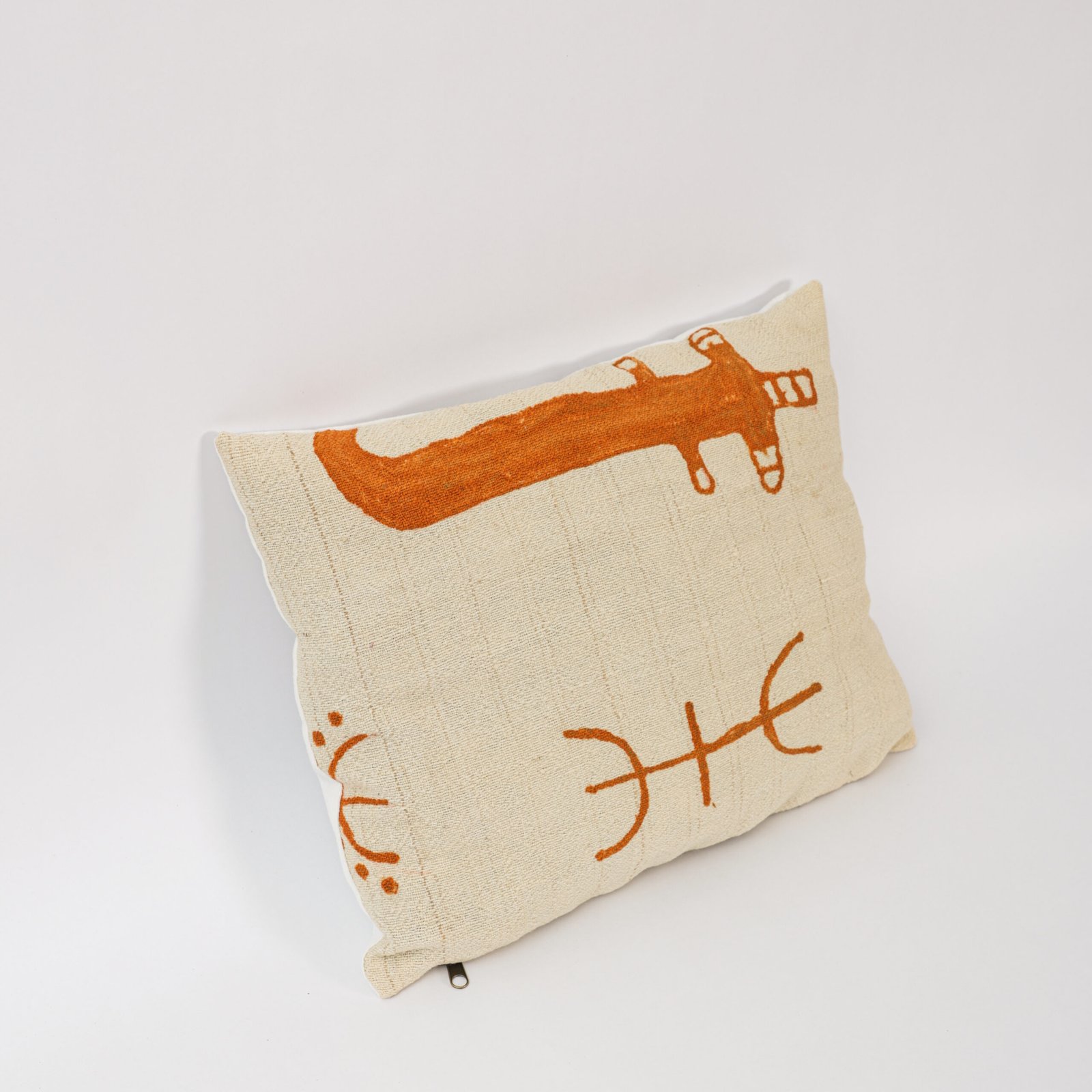
Rug hooking offers endless possibilities for home decor projects. Accent pillows are easy to create and bring a room together. Instead of working on traditional rug shapes, consider designing pillow covers with rug hooking techniques. Choose colors that complement your existing decor, adding texture and visual interest.
Table runners and placemats are another way to incorporate hooked rugs into your home. These items transform dining spaces with their unique designs. Seasonal themes can refresh your linens and keep your table settings updated throughout the year.
Large projects like area rugs can serve as centerpieces in living rooms or bedrooms. Focus on a theme that aligns with the room’s ambiance. Geometric designs, florals, or abstract patterns fit various styles, from modern to rustic.
Wall art with rug hooking is another innovative idea. Framed pieces can hang in entryways, hallways, or above mantels. These works of art provide both beauty and insulation. Creating wall-hanging designs in varying sizes enhances different areas in the home.
By embracing these creative rug hooking ideas, one can personalize gifts and elevate home decor, making every piece special and functional.
Personalized Gifts
One way to make rug hooking special is by creating personalized gifts. Thoughtful presents like small rugs or wall hangings hold sentimental value. Adding initials or significant dates can make these pieces unique. Recipients cherish items that show a personal touch.
Pet-themed rugs are also popular gifts. Pet lovers appreciate rugs resembling their furry friends. Kits with pre-drawn patterns simplify this process. Giving someone a rug that mirrors their pet brings joy and adds a decorative touch.
Personalized doormats feature prominently in gift ideas. Including the family name crafts a welcoming entrance for homes. These mats combine functionality with personalization, making them great gifts for new homeowners.
Baby blankets designed with rug hooking patterns create memorable gifts for expecting parents. Using soft, pastel yarns makes them suitable for nurseries. Pastels offer a gentle aesthetic, perfect for baby-themed designs.
Handmade coasters present another wonderful gift option. Small and quick to make, coasters protect surfaces while displaying creativity. Personalizing them with favorite colors or initials adds charm.
Customized tote bags are both practical and stylish. Rug hooking on fabric totes transforms ordinary bags into unique accessories. Tote bags can carry daily essentials while showcasing personalized art.
Memory rugs take gifting to another level. Using pieces of old clothing or remnants from significant fabrics, one can hook rugs that tell stories. This form of recycling adds emotional depth to the gift.
Seasonal items like holiday-themed pillows and stockings also make excellent presents. These items enhance festive decor, becoming part of cherished traditions.
Overall, rug hooking personalized gifts show thoughtfulness and care, making them stand out in a world of mass-produced items. These unique, handmade presents demonstrate the giver’s effort and creativity, ensuring they are kept for years to come.
Home Decor Projects
Rug hooking can transform any home interior. This craft adds a personal touch to decor. Simple projects include small mats for entryways or kitchens. These pieces offer both style and functionality.
Pillow covers make visually appealing home accessories. One can create custom pillow covers with rug hooking techniques. Opting for vibrant colors and patterns can liven up living spaces. Rugs crafted for specific rooms can merge with existing themes. Bedroom rugs, for instance, create warmth and comfort.
Wall hangings offer a way to showcase artistic skills. Framed hooked designs serve as wall art. These can range from abstract patterns to detailed scenes, providing versatile decor options.
Rug hooking also lends itself to seasonal decorations. Holiday-themed mats or wall hangings keep interiors festive. Creating items for different seasons ensures a fresh look year-round.
Kitchen decor benefits from smaller hooked items. Coasters and trivets protect surfaces while adding charm. These small projects are quick to make and add a cozy vibe to the kitchen area.
Even bathroom decor can be elevated. Bath mats with non-slip backings are practical yet stylish. Using water-resistant yarns ensures durability in moist environments.
Table runners and placemats give dining areas a unique flair. These functional pieces showcase creative skills while serving everyday purposes. Color-coordinated sets bring cohesiveness to dining spaces.
Patio and outdoor spaces also benefit from rug hooking. Durable materials for exterior use ensure lasting beauty in outdoor settings. Customized doormats welcome guests warmly.
In summary, home decor projects using rug hooking patterns blend creativity with practicality. They offer endless possibilities for personalizing interior spaces. Each piece crafted speaks to individual taste, making homes uniquely inviting. Whether making small coasters or large area rugs, these handmade items turn any house into a heartfelt home.