
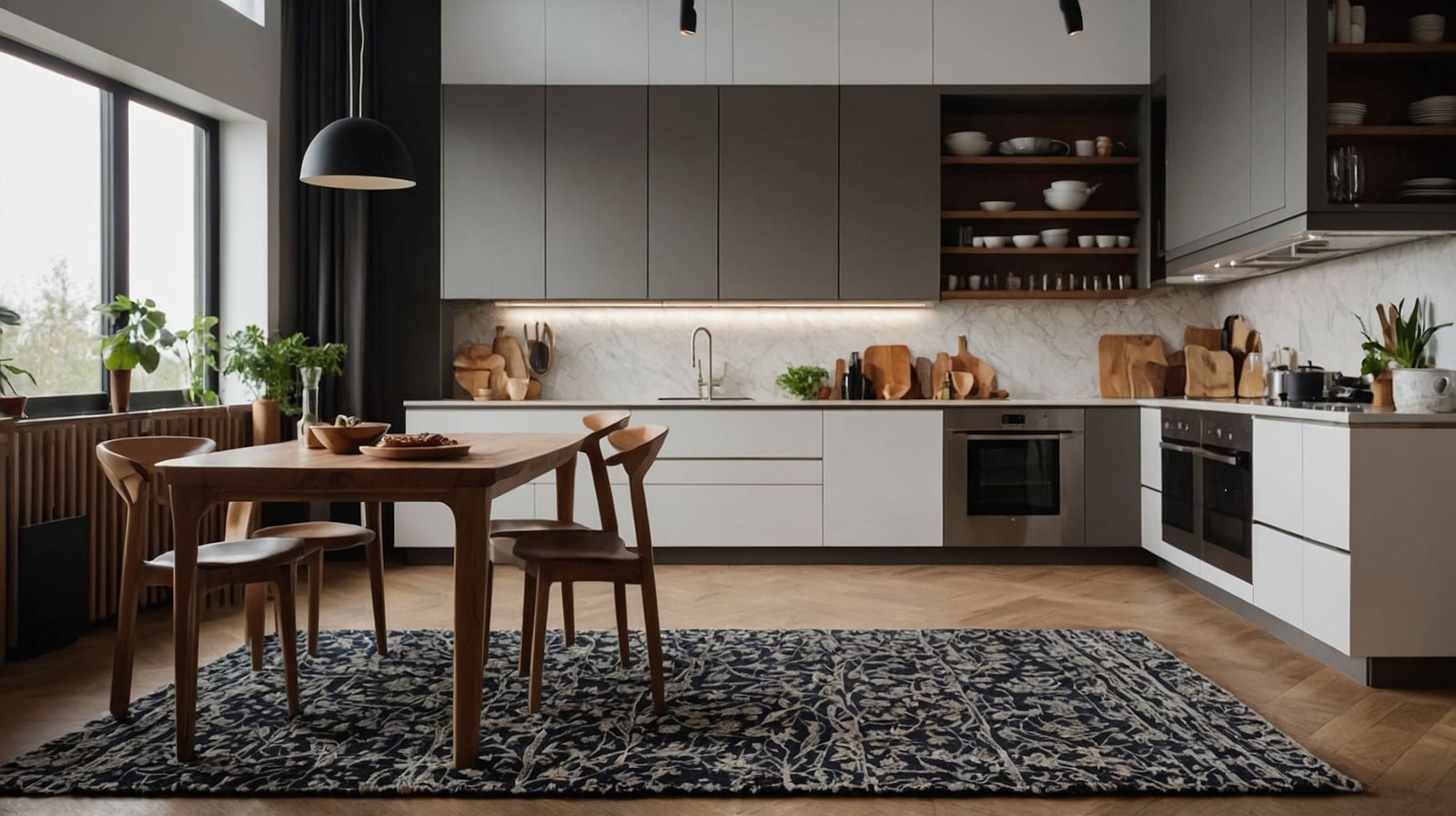
Benefits of Kitchen Rugs
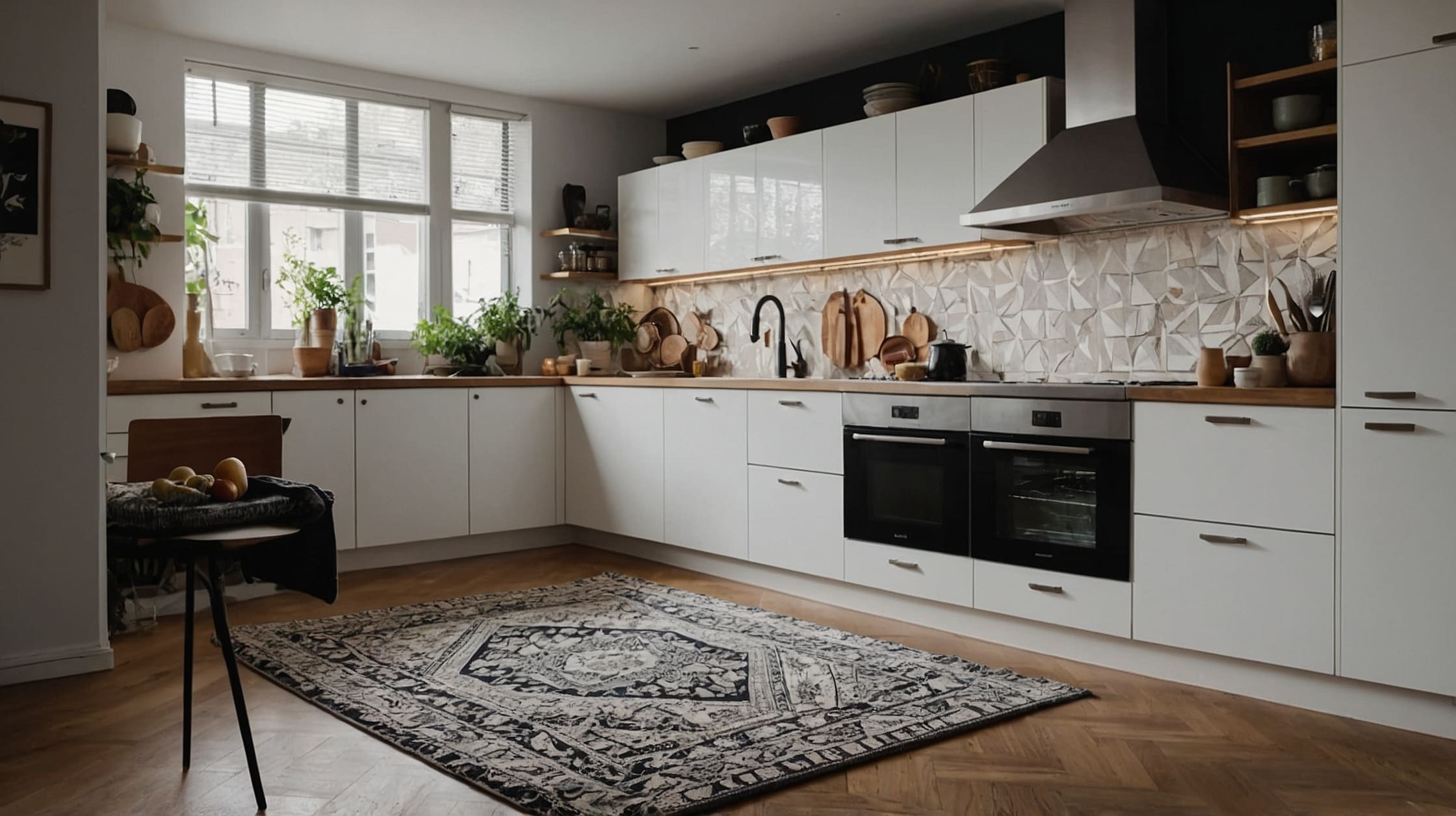
Comfort While Cooking
A kitchen rug can make a significant difference in overall comfort. Standing for long periods while cooking can be tiring. A well-placed rug provides cushioning underfoot, reducing strain on your feet and joints. This added comfort allows you to enjoy your time in the kitchen without the fatigue.
Protecting Your Floors
Floor protection is another key benefit. Kitchens often face a lot of foot traffic and potential spills. A kitchen rug acts as a barrier, protecting flooring from scratches, dents, and water damage. It is especially useful for areas near the sink and stove. This helps to maintain the longevity and appearance of your flooring.
Adding a rug can also help in sprucing up the kitchen aesthetics. It can tie different design elements together and bring in color or pattern to elevate the overall look. Rugs come in various styles, allowing homeowners to choose one that complements their décor.
Safety is another concern in busy kitchens. Wet floors can be hazardous, leading to slips and falls. A kitchen rug reduces this risk by providing a non-slip surface. Many rugs have anti-slip backings that keep them in place, offering an added layer of safety.
Insulation is another practical benefit. Kitchens can get chilly, especially if they have tile or hardwood floors. A rug provides extra warmth underfoot, making the space cozier during colder months.
Noise reduction is an often-overlooked advantage of a kitchen rug. Hard surfaces tend to amplify sounds like footsteps, clattering dishes, or dropping utensils. A rug absorbs some of this noise, creating a quieter and more pleasant environment.
The versatility of kitchen rugs is also noteworthy. They come in various shapes and sizes, making it easy to find one that fits any area, whether it’s a small galley kitchen or a spacious open-plan layout.
In summary, kitchen rugs offer numerous benefits beyond just aesthetics. They provide comfort, floor protection, and safety while also contributing to insulation and noise reduction. With so many practical advantages, adding a rug to your kitchen is a wise investment.
Comfort While Cooking
A kitchen rug can significantly enhance comfort while cooking. Standing on hard surfaces for extended periods often leads to tired feet and aching joints. The cushioning provided by a well-placed kitchen rug can alleviate some of this strain. Homeowners find themselves able to spend longer time preparing meals without experiencing discomfort.
Moreover, the added layer of padding offers excellent support for the back and knees. Many people underestimate the physical toll taken by routine kitchen activities. A soft rug can serve as an ergonomic solution, reducing fatigue and preventing potential health issues related to prolonged standing.
The psychological comfort provided by a cozy kitchen rug should not be overlooked. When feet feel good, overall mood improves, making cooking a more enjoyable experience. This sense of well-being can translate into more creativity and efficiency in culinary tasks.
Additionally, rugs with anti-fatigue properties are specifically designed to enhance comfort. These rugs often feature high-density foam or gel layers that offer better support than standard mats. For those who spend significant time in the kitchen, investing in an anti-fatigue kitchen rug can be particularly beneficial.
Another advantage is the warmth that a kitchen rug provides, especially in winter. Cold floors can be uncomfortable to stand on, making the entire cooking experience less pleasant. A warm, soft rug underfoot helps create a more inviting atmosphere.
Customizing the placement of rugs is also crucial for maximizing comfort. Positioning a rug in front of frequently used areas like the sink, stove, or prep counters ensures that soft support is available exactly where it’s needed most.
Furthermore, the aesthetic appeal of a kitchen rug contributes to comfort by creating a visually pleasing environment. When the kitchen looks good, it becomes a more inviting space, encouraging homeowners to spend more time there.
Lastly, rugs with memory foam filling mold to the shape of the feet, offering personalized comfort and support. These types of rugs adapt to individual pressure points, reducing foot strain effectively.
In summary, adding a kitchen rug dramatically increases comfort while cooking. It mitigates physical strain and enhances mental well-being, making kitchen activities a more enjoyable experience overall. With proper selection and placement, a kitchen rug proves to be a wise addition to any cooking space.
Protecting Your Floors
Kitchen rugs offer excellent floor protection. They act as a barrier between heavy foot traffic and delicate flooring materials. Hardwood, tile, and laminate floors can quickly wear out without this safeguard. Scratches, dents, and stains become less frequent with a durable rug in place.
Food and liquid spills are common in the kitchen. A rug helps absorb these spills, preventing them from reaching the floor. This absorption feature reduces the risk of staining and damaging the underlying surface. For households with pets or children, the added layer of protection is particularly beneficial.
Furthermore, kitchen rugs can minimize the impact of dropped items. Accidents happen, and a kitchen rug can cushion falling pots, pans, and utensils. This not only protects the floor but also reduces the likelihood of breakage, saving homeowners from costly replacements.
Rugs also serve as a buffer against daily wear and tear. Repeated movements in cooking zones, such as near the sink or stove, lead to worn-out patches over time. A well-placed rug distributes weight evenly, maintaining the floor’s appearance for longer.
In addition to physical protection, kitchen rugs contribute to safety. Wet floors from cooking or washing dishes pose significant slip hazards. A non-slip kitchen rug provides traction, reducing the risk of falls. This is particularly important in homes with elderly residents or young children.
Choosing a rug with a non-skid backing enhances floor protection further. These types of rugs stay securely in place, ensuring consistent coverage over vulnerable areas. The backing also prevents the rug from shifting during use, which enhances overall safety.
While aesthetics matter, functionality is paramount for kitchen rugs. Selecting materials like synthetic fibers or treated cotton ensures durability under harsh conditions. These materials can withstand high foot traffic and resist moisture well, making them ideal for busy kitchens.
Careful maintenance extends the life of both the rug and the floor beneath it. Regular vacuuming and occasional washing keep kitchen rugs in top condition. Quick removal of debris and spills prevents abrasive particles from scratching the floor surface.
Finally, investing in a quality kitchen rug pays off in long-term savings. Protecting floors means fewer repairs and less frequent need for replacements. This practical approach allows homeowners to enjoy beautiful, damage-free flooring for years to come.
Best Materials for Kitchen Rugs
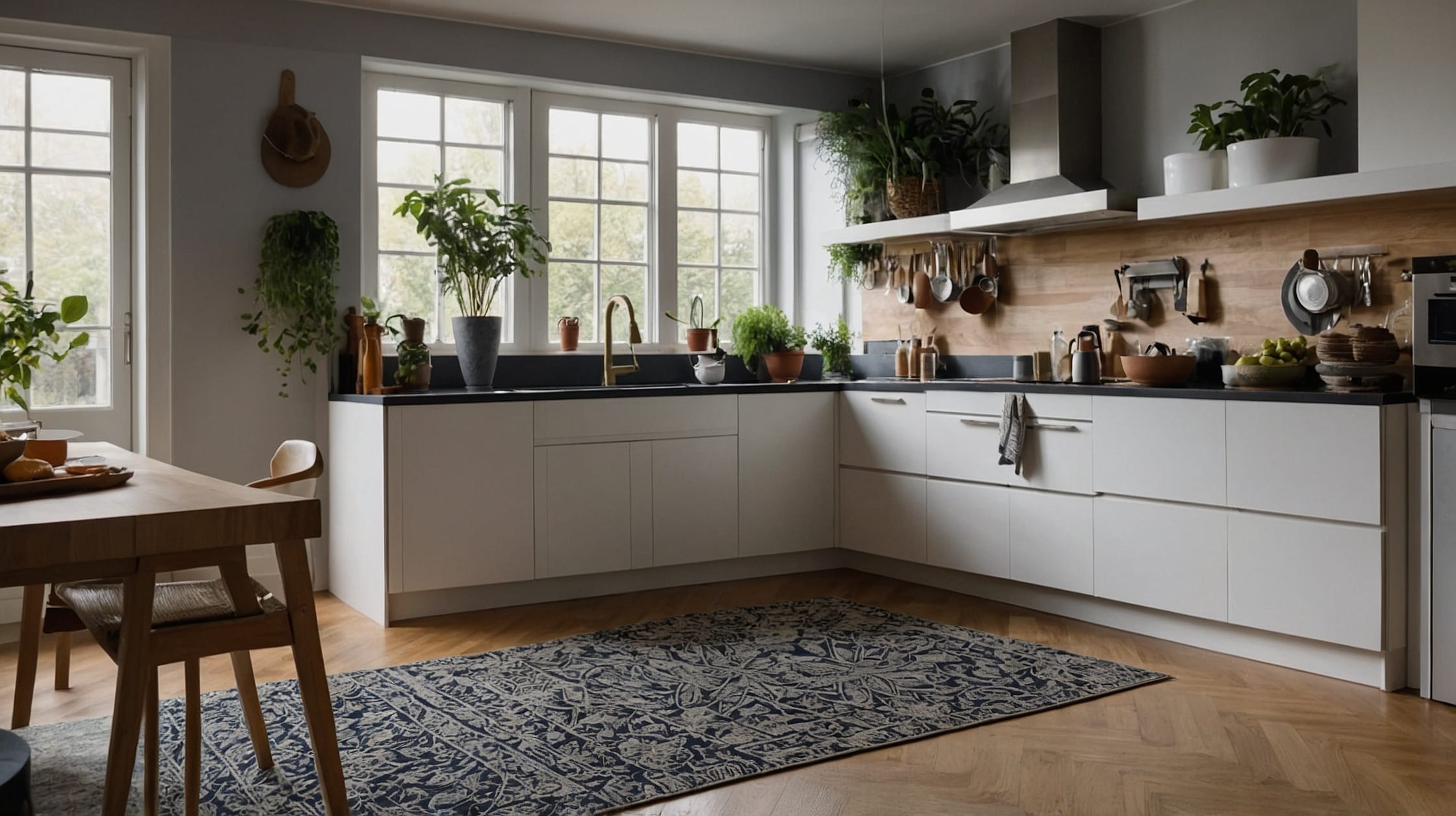
Stain-Resistant Options
Stain-resistant kitchen rugs make an excellent choice for busy households. Materials such as nylon and polypropylene are popular for their exceptional durability and resistance to staining. These synthetic fibers do not readily absorb liquids, making it easier to wipe off spills before they turn into stains. Homeowners also appreciate the longevity of these rugs, as they resist wear and tear from daily foot traffic. For those who love a vibrant kitchen, these materials often come in various patterns and colors that do not fade easily, maintaining their aesthetic appeal over time.
Another stain-resistant option is treated cotton. While natural fibers like cotton are generally absorbent, treatment processes can render them more resistant to staining. Treated cotton rugs provide the benefits of natural materials with added protection, making them suitable for kitchens where spills are common. These rugs feel soft underfoot and can easily be incorporated into various kitchen decor styles.
Easy-to-Clean Materials
Easy-to-clean materials are a practical choice for kitchen rugs. Machine-washable rugs top the list for convenience. Cotton, microfiber, and certain synthetic blends often fit this bill. Machine washing enables quick and efficient cleaning, especially when dealing with frequent spills and dirt accumulation. Easy-to-clean rugs help in maintaining hygiene in the kitchen without much hassle.
Microfiber rugs are another excellent option. Known for their high absorbency and softness, microfiber kitchen rugs trap dirt and absorb liquids efficiently. They can be shaken out or vacuumed regularly to keep them clean, and many are machine washable for deeper cleaning.
Rugs made from bamboo or woven vinyl offer ease of cleaning too. These materials do not harbor dirt easily and can be wiped down with a damp cloth or cleaned using gentle soap and water. Bamboo rugs bring an eco-friendly touch to the kitchen while offering moisture resistance. Woven vinyl provides a sleek look and is highly durable, standing up to high traffic areas effortlessly.
Lastly, consider natural rubber-backed mats for easy cleaning and safety. They offer good grip on the floor, reducing the risk of slips while being easy to wipe down. These mats are ideal for high-moisture areas in the kitchen, such as near the sink.
Each material has its unique advantages, catering to different needs and preferences in the kitchen environment. Selecting the right material ensures not only a stylish addition but also a practical one that stands up to the rigors of daily use.
Stain-Resistant Options
Stain-resistant kitchen rugs are ideal for busy households. They offer both practicality and longevity. Nylon and polypropylene are top choices. These synthetic fibers resist stains and are very durable. They do not absorb liquids quickly. This makes it easy to clean up spills before they become stains.
Nylon rugs are particularly popular. They come in various patterns and colors. These colors tend to hold up well over time. Homeowners appreciate their long-lasting nature. They handle daily wear and tear excellently.
Polypropylene rug is another durable option. It is resistant to moisture and mildew. This makes it perfect for kitchens, which often deal with spills and humidity. Polypropylene also resists fading, so it stays looking new for longer.
Treated cotton rugs offer a natural alternative. Normally, cotton absorbs liquids quickly, but treatments can make it resistant to stains. These rugs combine the softness of natural fibers with the protective benefits of synthetic materials. They are versatile and fit many kitchen decor styles.
Consider microfiber as well. It traps dirt and absorbs spills efficiently. Microfiber is easy to clean, often being machine-washable. This feature is highly convenient for kitchen rugs. Just toss them in the wash for a deep clean.
Also, think about bamboo rugs. Bamboo is naturally resistant to stains and moisture. It is eco-friendly and durable. Bamboo adds a rustic touch to kitchen decor while being easy to clean. A simple wipe-down with a damp cloth keeps it looking fresh.
Woven vinyl is another great material. It provides a sleek, modern look and high durability. Vinyl rugs can be wiped clean effortlessly with soap and water. This makes them suitable for bustling kitchens where spills are common.
For added safety, natural rubber-backed mats work well. They grip the floor securely, reducing the risk of slips. Rubber mats are easy to clean; a quick wipe-down often suffices. They are especially useful near sinks or other high-moisture areas.
Each of these materials offers unique benefits, making them suitable for different kitchen needs. Choosing the right stain-resistant kitchen rug ensures style and practicality go hand in hand.
Easy-to-Clean Materials
When selecting a kitchen rug, ease of cleaning is vital. Kitchens are high-traffic areas prone to spills and messes. Therefore, choosing a kitchen rug made from easy-to-clean materials ensures practicality.
Microfiber is a favorite choice for many. Its structure allows it to trap dirt and absorb spills efficiently. Often, microfiber rugs are machine-washable, making them incredibly convenient. Tossing them in the washing machine quickly restores their fresh appearance.
Cotton is another popular option. Though untreated cotton absorbs liquids quickly, treated cotton resists stains more effectively. You can often wash cotton rugs in a washing machine, ensuring they maintain their look and hygiene with minimal effort.
Vinyl rugs are easy to clean and offer a sleek, modern look. These rugs can be wiped down with soap and water. They resist spills and stains, making them ideal for busy kitchens. Their durability also means they withstand frequent cleaning without wearing out quickly.
Polypropylene stands out for its low maintenance. This synthetic fiber resists stains and does not absorb moisture. A simple spot clean with soap and water keeps polypropylene rugs looking good as new. They are also resistant to mold and mildew, adding an extra layer of convenience.
Nylon rugs are highly durable and easy to clean. Their synthetic fibers resist staining, and their vibrancy does not fade easily. Regular vacuuming and occasional spot cleaning keep nylon rugs in top condition. They handle the messes of everyday kitchen life with ease.
Bamboo is another material that’s gaining popularity for kitchen use. It naturally resists stains and moisture, making it simple to clean. A quick wipe-down with a damp cloth is usually enough to maintain its fresh appearance. Its durability ensures it remains practical even with frequent cleaning.
Rubber mats provide an easy-to-clean option, especially near sinks or high-moisture areas. They can be quickly wiped down with a damp cloth or washed with mild soap and water. Their resistance to staining and moisture makes them practical for keeping kitchen floors clean.
Wool rugs, while luxurious, are also relatively easy to care for if treated properly. Occasional deep cleaning by professionals can ensure they stay in top shape while regular vacuuming takes care of everyday dust and debris.
Choosing materials that offer ease of cleaning ensures your kitchen rug remains a practical yet stylish addition to your home. Not only do these materials make maintenance simpler, but they also prolong the longevity of your rug, keeping your kitchen looking fresh and inviting.
Popular Styles for Kitchen Rugs
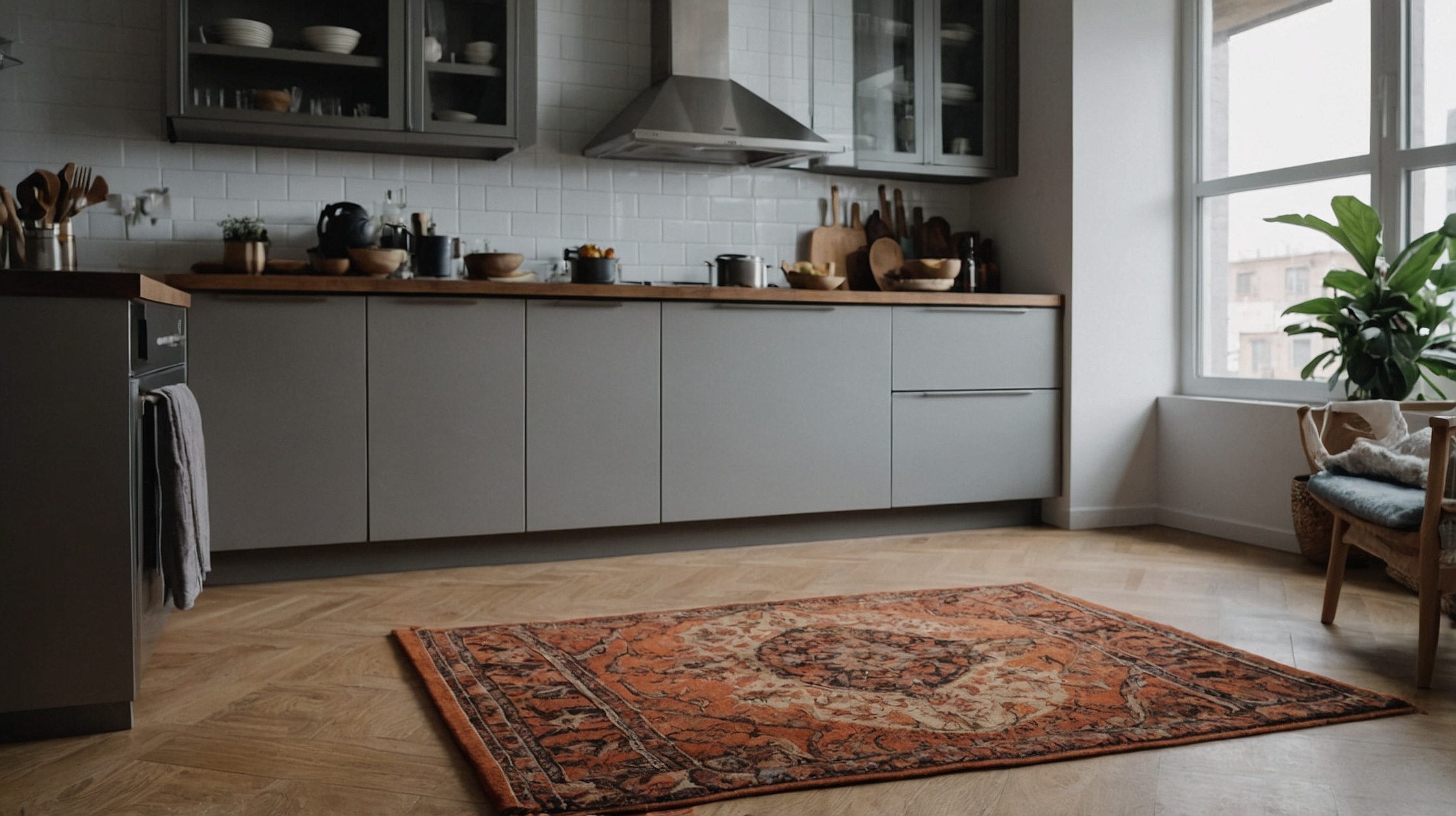
Contemporary Designs
Contemporary designs offer a sleek and modern touch to any kitchen. These rugs often feature bold colors, geometric patterns, and clean lines. They can instantly freshen up a space, making it look trendy and updated. Using a contemporary kitchen rug can be a great way to infuse personality into the room without overdoing it.
Flat-weave rugs are a popular choice for contemporary styles. Their low pile makes them easy to maintain, especially in busy kitchens. Colors such as grey, black, and white are common, sometimes paired with brighter accents for contrast. Abstract designs and unconventional shapes also fall under contemporary styles, adding an artistic element to the kitchen.
Minimalist kitchen rugs also fit well within contemporary aesthetics. They often come in solid colors or very simple patterns. The focus is on creating a clean and uncluttered look. These rugs can blend seamlessly with modern appliances and sleek cabinetry.
Traditional Patterns
Traditional patterns bring a timeless elegance to any kitchen. These rugs often feature intricate designs like florals, paisleys, or oriental motifs. They add a sense of warmth and coziness to the kitchen environment. This style works particularly well in kitchens with classic or farmhouse decor.
Hand-woven rugs are commonly found in traditional patterns. They offer not only beauty but also durability. These rugs can become family heirlooms due to their quality craftsmanship. Deep reds, blues, and golds are typical color schemes, adding richness to the decor.
Aubusson and Persian designs are examples of traditional styles that stand out. These patterns are elaborate and use a variety of colors. They fit well in kitchens that aim for a sophisticated look. Using these rugs can turn the kitchen floor into a focal point of the room.
Vintage-inspired rugs bring old-world charm to the space. They often use faded colors and worn-in textures to create an antique feel. Such designs work well for those who want to mix rustic elements with modern conveniences.
Kilim and Dhurrie styles add an ethnic twist to traditional patterns. Originating from regions like Turkey and India, these rugs often feature tribal designs and vivid colors. They can provide an exotic flair to the kitchen, making it unique and inviting.
Whether choosing contemporary or traditional styles, kitchen rugs offer both functionality and aesthetic appeal, enhancing the overall ambiance of your culinary space.
Contemporary Designs
Contemporary kitchen rugs bring a modern flair to any culinary space. They often feature bold and vibrant colors that can make the room pop. Geometric patterns are a popular choice, adding a sense of order and symmetry. These rugs can easily match sleek, modern appliances and minimalistic decor, creating a cohesive look.
Flat-weave rugs are a staple of contemporary designs thanks to their low pile. This makes them easy to clean, an essential feature for a busy kitchen. Colors like grey, black, and white are often used for a sophisticated touch. Sometimes, they incorporate bright accents to create an eye-catching contrast.
Abstract designs are another hallmark of contemporary styles. These rugs can double as pieces of art, adding an unexpected element to the kitchen. Unconventional shapes also fit well within this aesthetic. Circles, triangles, and other forms can break the monotony of rectangular spaces.
Minimalist rugs are perfect for those who prefer understated elegance. These often come in solid colors or possess very subtle patterns. Their primary function is to add comfort and warmth without drawing too much attention. This style blends seamlessly with modern cabinetry and open-concept kitchens.
Using a contemporary kitchen rug can be an easy way to update the kitchen’s look. Even a small rug can make a big impact on the overall aesthetic of the room. By choosing simple designs and clear lines, the space feels clean and uncluttered.
Durable materials are often preferred for these rugs. Synthetic fibers or blended fabrics are common due to their resilience. These materials can withstand frequent cleaning, which is necessary in high-traffic kitchens. Rugs made from cotton or wool are also options but may require more care.
Incorporating a contemporary kitchen rug is not just about looks—it’s also practical. The right choice can provide comfort while standing at the countertop or sink. It can also serve as a protective layer for the floor, reducing wear and tear.
Ultimately, contemporary rugs offer a blend of style and functionality. They allow for personal expression while fulfilling everyday needs. With various designs and materials available, finding the perfect one for any kitchen should be straightforward.
Traditional Patterns
Traditional kitchen rugs are timeless. They bring warmth and a sense of nostalgia to the space. Floral patterns are common in traditional designs. These rugs often feature intricate details, showcasing skilled craftsmanship.
One popular choice is the Persian rug. Known for rich colors and complex motifs, they add a touch of sophistication. Another option is the Oriental rug, which can feature elaborate patterns and deep hues. These rugs can serve as focal points in a kitchen, drawing attention and admiration.
Patterns like paisley, damask, or medallion often adorn traditional rugs. These designs can evoke a sense of history and culture, adding depth to the decor. The kitchen becomes not just a place for cooking but also a space with character.
Color schemes in traditional rugs tend to be earthy and warm. Think tones like burgundy, navy, and gold. These colors can create a cozy atmosphere, making the kitchen inviting. They pair well with wooden cabinets and rustic furniture, enhancing the overall aesthetic.
Materials like wool and cotton are prevalent in traditional rugs. Wool, in particular, is praised for its durability and softness. It’s also naturally stain-resistant, which is a plus for kitchen use. Cotton rugs can be easier to clean and maintain while still offering comfort underfoot.
Size and placement are crucial when choosing a traditional kitchen rug. An area rug by the sink or stove can provide a soft spot to stand on. Runners are suitable for galley kitchens or spaces between counters and islands. These should be placed where they won’t obstruct foot traffic but can still be appreciated.
When considering traditional rugs, it’s essential to focus on quality. Hand-knotted or hand-tufted rugs usually offer better durability than machine-made options. Investing in a high-quality rug ensures it will last for years, enduring the wear and tear of daily kitchen use.
Ultimately, traditional kitchen rugs combine beauty and functionality. They protect floors while adding visual appeal. Their timeless designs ensure they’ll never go out of style, making them a versatile choice for any home.
Tips for Keeping Your Kitchen Rug Clean
Regular Maintenance
Regular maintenance is key to keeping a kitchen rug clean. Vacuuming it often can remove dirt and debris. This prevents accumulation and keeps the rug looking fresh. Using a vacuum with a brush attachment helps agitate fibers, ensuring a deeper clean. Rotating the rug every few months ensures even wear, prolonging its lifespan.
Shaking out the rug outside can be equally effective. It dislodges dust and crumbs that may not come out with vacuuming alone. Be sure to do this in an open area to avoid making a mess. For smaller rugs, a quick shake once a week can suffice. Larger rugs might need monthly attention to maintain cleanliness.
Keeping an eye on high-traffic areas is also important. These spots tend to collect more dirt and grime. Spot cleaning them promptly can prevent permanent staining or damage. Regularly brushing or combing the fibers can also help keep them aligned and reduce wear.
Handling Spills and Stains
Accidents will happen in a busy kitchen. Acting quickly when spills occur is crucial. Blot the spill immediately with a clean cloth to absorb as much liquid as possible. Avoid rubbing, as this can push the stain deeper into the fibers. For liquid spills, use water or a mild detergent solution to dab at the area.
For tougher stains, consider using specialized carpet cleaners. Always test cleaning products on a small, inconspicuous area first. This ensures the solution won’t damage or discolor the rug. Baking soda and vinegar can be effective natural alternatives for many stains. Sprinkle baking soda over the stain, then gently pour vinegar on top. Let it sit before wiping it away and rinsing with water.
Using a steam cleaner now and then can offer a deep clean. This is especially useful for stubborn stains or ingrained dirt. However, ensure the kitchen rug’s material is suitable for steam cleaning beforehand.
Finally, setting a no-shoes rule in the kitchen can significantly reduce dirt brought onto the rug. Small steps like these help maintain a clean, inviting atmosphere in the heart of the home.
By following these straightforward tips, maintaining the cleanliness of any kitchen rug becomes manageable, ensuring it remains both beautiful and functional for years to come.
Regular Maintenance
Keeping a kitchen rug clean through regular maintenance is essential. Regular vacuuming removes dust, crumbs, and debris. Using a vacuum with a brush attachment can help agitate the fibers. This ensures a deeper clean and avoids buildup. Shaking out the rug outside is another effective method. It dislodges particles that vacuuming might miss. It’s worth doing this in an open area to avoid creating more mess.
Rotating the rug every few months prevents uneven wear. This simple step can greatly extend its lifespan. Ensuring high-traffic areas receive extra attention is vital. These spots tend to gather more dirt and grime. Prompt spot cleaning can avoid permanent stains or damage.
For smaller rugs, shaking them once a week is usually enough. Larger rugs may need this treatment monthly. Regular brushing or combing the fibers also helps. It keeps them aligned and reduces wear over time.
Implementing a no-shoes policy in the kitchen minimizes dirt on the rug. Such simple measures make a significant difference. Encouraging family members and guests to follow this rule can keep the area cleaner.
Using floor mats near entrances can further capture dirt before it reaches the rug. This proactive step limits the amount of grime tracked in.
Acting quickly on any spills is crucial. Blotting instead of rubbing the spill can prevent it from setting in. Using water or a mild detergent solution works well for most liquid spills. For tougher stains, specialized carpet cleaners can be useful. It’s essential to test them on an inconspicuous area first to avoid damage.
Steam cleaning the rug occasionally provides a deep clean. However, it’s vital to ensure the material can withstand steam cleaning. Over-wetting should be avoided to prevent mold and mildew growth.
By following these straightforward steps, maintaining a kitchen rug’s cleanliness becomes manageable. Consistent upkeep ensures the rug remains both practical and aesthetically pleasing for years to come. Regular maintenance transforms a simple rug into a long-lasting addition to any kitchen, enhancing both its function and appeal.
Handling Spills and Stains
Spills and stains on a kitchen rug are inevitable. Swift action is key to preventing permanent damage. Blotting a spill immediately with a clean cloth or paper towel can absorb most of the liquid. It’s crucial not to rub the spill, as this can push the liquid deeper into the fibers. Using cold water for most spills helps avoid setting the stain.
For tougher stains like grease or food, a mild detergent can come to the rescue. A mixture of one cup of warm water and a few drops of dish soap works wonders. Applying this solution to the stain with a sponge and then blotting can lift it effectively. Rinsing with clean water afterwards ensures no soapy residue remains.
Red wine or coffee stains are common culprits in the kitchen. A mixture of equal parts white vinegar and water can be effective here. Spraying this solution on the stained area and letting it sit for a few minutes helps break down the stain. Blotting with a clean cloth follows, repeating as necessary until the stain fades.
For more stubborn stains like tomato sauce, baking soda is useful. Sprinkling baking soda directly onto the stain can absorb excess moisture and odor. After about 15 minutes, vacuuming up the baking soda and using a detergent solution can finalize the cleaning.
If dealing with pet stains or odors, enzymatic cleaners designed for this purpose provide effective results. These cleaners break down organic compounds, neutralizing odors in the process.
In cases where chewing gum gets stuck to the rug, freezing it is a neat trick. Applying ice cubes wrapped in a plastic bag hardens the gum. This makes it easy to scrape off with a blunt knife.
Commercial carpet cleaners are another option for stubborn stains. However, it’s important to test them on an inconspicuous part of the rug first. This precaution avoids potential fabric damage or color bleeding.
Regularly addressing spills and stains as soon as they occur keeps your kitchen rug looking fresh. Simple and timely actions make difficult stains manageable, ensuring the rug remains both practical and visually appealing in your kitchen setting.